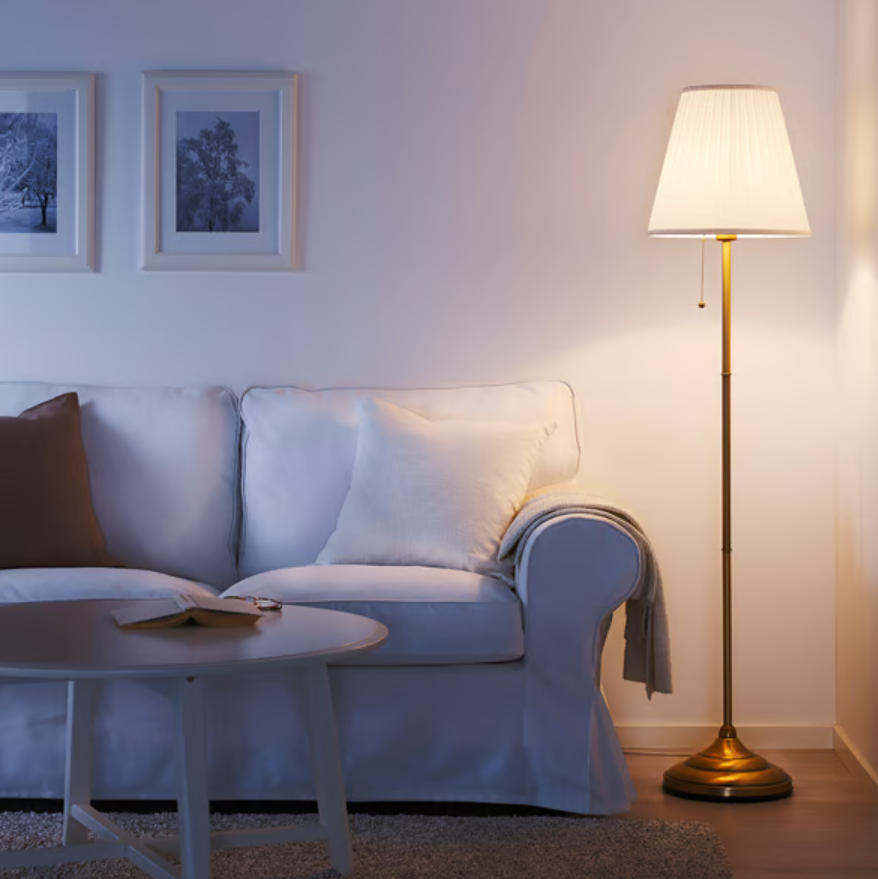
How tall should a floor lamp be? Choosing the right floor lamp — not just in style, but in height — can dramatically improve the functionality and look of a room. Whether you’re furnishing a living room, bedroom, or reading nook, the correct floor lamp size ensures proper illumination, visual balance, and comfortable use.
In this comprehensive guide, we’ll explore:
- How tall a floor lamp should be
- Practical measurement formulas
- Style and placement tips
- Lighting science behind good design
- Expert and authoritative references
What Is a Floor Lamp?
A floor lamp is a freestanding light fixture that stands on the floor and provides ambient, task, or accent lighting. According to Wikipedia, a floor lamp (also called a standard lamp) is a fixture that stands on the floor and often has a tall, slender body extending light above waist level.
Floor lamps can be moved easily and serve both functional and aesthetic roles in interior design.
Why Lamp Height Matters
Lamp height isn’t just a matter of scale — it affects:
- Comfort: A lamp that’s too tall can glare into eyes or hang awkwardly; one that’s too short may not provide adequate light.
- Function: Reading or task lighting needs proper direction and spread.
- Balance: Proportion relative to furniture, ceilings, and room size improves overall aesthetic.
In design theory, proper proportions are foundational to comfortable and visually pleasing spaces. Lighting plays a huge part in this.
General Floor Lamp Height Guidelines
While there’s no single “perfect” height for all floor lamps, there are widely accepted guidelines based on typical use and furniture height.
Rule of Thumb
A standard living room floor lamp is usually between:
58–64 inches (147–163 cm) tall
This range allows the light source to sit above eye level for most people when seated on a sofa or chair, which reduces glare and provides balanced illumination.
Step-By-Step Floor Lamp Height Guide
1. Match Lamp Height to Seating Height
To determine a starting point:
- Measure the height of your seating (sofa or chair):
Typical sofa seat height = 17–20 inches (43–51 cm) - The lamp’s light source (bulb center or shade bottom) should ideally be about 12–16 inches (30–41 cm) above seated eye level.
Example:
- Seating height: 18″
- Seated eye level ≈ 48–52″
- Lamp height target ≈ 60–68″
This formula helps ensure the light spreads comfortably across your space without shining directly into eyes.
2. Adjust for Ceiling Height
If your ceilings are higher than typical (8–9 ft), taller floor lamps can balance the space.
General guideline:
Floor Lamp Height ≈ Ceiling Height × 0.75
Example:
- 9 ft ceiling = 108″ × 0.75 ≈ 81″ tall floor lamp
However, avoid going too tall — very high lamps risk awkward angles and shadows unless the design specifically accommodates upward light.
3. Consider Table and Side Surface Heights
If the floor lamp is placed near a table or sideboard:
- Ensure the light source doesn’t sit below the surface height of adjacent furniture.
- A lamp too low next to a side table can throw shadows or illuminate inefficiently.
Practical Height Recommendations by Room & Use
Living Room / Lounge Areas
- Standard floors: 58–64 inches
- High ceilings (10 ft+): 64–72 inches
Goal: Ambient or accent lighting without glare.
Reading Areas
If the lamp’s primary use is for reading:
- Position lamp head about 58–66 inches above the floor
- Place so that light falls directly on reading material
This matches ergonomic lighting guidelines used by designers for task comfort.
Bedroom
Beds and nightstands have unique height considerations.
- Place lamp shade bottom about 50–60 inches from the floor
- If used next to a bed, let the bottom of shade hover slightly above sleeping eye-level (~48″)
This produces soft ambient light without overpowering a cozy space.
Office or Workspace
If you use a floor lamp for a home office:
- Use an adjustable or swing arm floor lamp
- Position the bulb head about 60–65 inches to angle light onto the desk surface
This supports task clarity and reduces glare on screens.
Lamp Style & Height Interaction
Not all designs follow the same rules. Here’s how style influences height:
Arc Floor Lamps
Arc lamps extend light horizontally. Because the light arm often hangs over a seating area:
- The vertical pole may be taller (72–84″)
- The arc should position light head ~60–65″ above floor
These lamps work best over sofas or reading chairs.
Torchiere Style
Taller, upward-facing lamps often illuminate ceilings:
- Height can range from 60–72 inches
- Light typically bounces off the ceiling for soft ambient glow
Ideal for secondary ambient light in conjunction with task lighting.
Adjustable / Swing Arm
These allow height and angle changes:
- Useful when multiple users or tasks are involved
- Offer the most flexibility if height needs vary day-to-day
Color Temperature & Height Considerations
Light temperature influences mood and function. In living rooms:
- Warm white (2700–3000K): Cozy, relaxing
- Neutral white (3000–3500K): Balanced, everyday
- Cool white (3500–4000K): Task-oriented
The height of the lamp affects how these tones distribute through space.
Warmer light nearer seating (height ~60″) adds comfort; cooler light a little higher (~64–68″) supports clarity for tasks.
Floor Lamp Brightness & Height: Lumens Guide
Brightness matters. Floor lamps aren’t just about height — they also need adequate output.
General guidelines:
- Ambient living room light: 1,500–3,000 lumens (total room)
- Accent floor lamp contribution: 500–1,000 lumens
- Task reading lamp: 800–1,200 lumens
Modern LED floor lamps make achieving these numbers easy given their efficiency and tunability. According to the U.S. Department of Energy, LED lighting can reduce energy use by up to 90% compared with incandescent while offering consistent, bright performance.
Placement Tips: Height + Space Harmony
- Near a Sofa or Chair
Place the lamp so the light head sits above shoulder height (often ~60–64″) when seated. This reduces glare and spreads light across the seating area.
- In Corners
Corner lighting may benefit from taller lamps (66–72″) to fill shadowed areas and balance ceiling height.
- Next to Tables
Ensure lamp height does not fall lower than the table surface — otherwise it casts unintended shadows and obstructs sightlines.
Common Mistakes When Choosing Floor Lamp Height
Mistake 1: Choosing Too Short
Result: Light falls below eye level, causing glare and insufficient room illumination.
Fix: Aim for at least ~58″ overall height.
Mistake 2: Choosing Too Tall
Result: Light can feel disconnected or overly industrial.
Fix: Use lamp styles (arc or torchiere) designed for taller builds.
Mistake 3: Ignoring Furniture Scale
A floor lamp next to a low-profile sofa should be proportionally taller relative to surrounding pieces.
Examples of Floor Lamp Heights for Common Setups
| Setting | Recommended Lamp Height |
| Standard living room sofa | 58–64″ |
| High ceiling living room | 64–72″ |
| Reading nook | 60–66″ |
| Bedroom next to bed | 50–60″ |
| Office workspace | 60–65″ |
| Corner ambient light | 66–72″ |
Real Designer Perspectives
Experts emphasize lighting as an integral part of interior design, not an afterthought.
Lighting designer commentary from industry sources echoes the importance of proportion and layering:
“Floor lamps serve both practical and aesthetic functions — the key is integrating height and scale with the room’s overall composition.” — Architectural lighting specialist (traditionally discussed in Lighting Design manuals and trade publications)
Although specific quotes vary by source, this philosophy is widely echoed in lighting design thought leadership.
Floor Lamp Styles to Consider
Here are some floor lamp styles that are both fashionable and functional in 2026:
Minimal LED Floor Lamps
- Sleek, integrated LEDs
- Adjustable temperatures and dimming
- Height friendly (58–64″)
Arc Floor Lamps
- Extend over seating without blocking space
- Often tall (70–84″)
Torchiere
- Bounce light off ceilings for ambient illumination
- Ideal for secondary lighting
Adjustable Swing Arm
- Great for reading nooks
- Adjustable head height (can be lower than standard)
Safety & Installation Tips
- Ensure stable base for taller lamps
- Avoid placing lamps where cords cross walkways
- Use LED bulbs to reduce heat risk near fabrics
For more on lighting safety norms and guidelines, consult resources from lighting authorities like the Illuminating Engineering Society (IES) — a leading organization on professional lighting standards.
Conclusion
Choosing the right floor lamp height is about balancing functionality, comfort, and aesthetics. In 2026, interior designers continue to focus on layered lighting, ergonomic placement, and energy efficiency. A floor lamp that is approximately 58–64″ tall will suit most living rooms, but adjustments for seating height, ceiling height, and specific use cases are essential.
By following the height guidelines and placement tips in this floor lamp size guide, you can ensure your lighting works beautifully — physically and visually — in your space.
Leave a Reply