Author: risen9527

  • Best Ceiling Light for Bathroom: Trends in 2026

    Best Ceiling Light for Bathroom: Trends in 2026

    Choosing the right ceiling light for bathroom is more than just a design decision — it impacts safety, function, mood, and daily routines. Bathrooms present a unique lighting challenge: they must provide bright, even illumination for grooming tasks while also supporting relaxation and ambiance. As we head into 2026, bathroom lighting trends are evolving with smarter technology, energy efficiency, improved safety standards, and stylish integration with contemporary interiors.

    This guide explores the best ceiling lights for bathrooms, emerging trends, installation tips, and what lighting specs you should prioritize in your next upgrade.


    Why Bathroom Ceiling Lighting Matters

    Bathroom lighting significantly affects how a space feels and functions. Inadequate or poorly placed lighting can lead to shadows, insufficient task lighting, and potentially unsafe conditions, especially in wet areas.

    According to the Illuminating Engineering Society (IES), proper lighting design enhances both visual performance and comfort in any space — and bathrooms are no exception. Whether it’s shaving, makeup application, or creating a relaxing zen bath environment, ceiling lighting influences both safety and experience.


    Industry Standards & Safety: What You Need to Know

    Before we dive into trends, it’s important to cover lighting safety:

    • IP Rating (Ingress Protection):
      Bathroom fixtures should have appropriate IP ratings to indicate protection against moisture and water splash (e.g., IP44 or higher near wet zones). This ensures safety and code compliance.
    • Wet vs. Damp Ratings:
      A wet-rated ceiling light can safely operate where it may directly receive water (e.g., shower area). Damp-rated fixtures are suitable for general bathroom areas. Always check local electrical code requirements.
    • Voltage and insulation:
      Bathroom lights should be installed according to building codes, especially when they are close to water sources.

    For more on IP ratings and fixture suitability, see the Wikipedia description of Ingress Protection ratings.


    Top Ceiling Light Trends for Bathroom in 2026

    1. Integrated LED Ceiling Lights

    LED technology continues to dominate bathroom ceiling fixtures in 2026. LEDs offer:

    • High energy efficiency — up to 90% less energy use compared to traditional incandescent bulbs
    • Long lifespan — 25,000+ hours typical
    • Low heat emission — important for closed bathroom spaces

    According to the U.S. Department of Energy, LED lighting remains the most efficient choice for residential applications, including bathrooms.

    Modern integrated LED ceiling lights often come with:

    • Dimmable control
    • Tunable white (warm to cool color temperature)
    • Very low profiles that suit modern minimal aesthetics

    Why it matters in 2026: Integrated LEDs reduce maintenance and integrate seamlessly with smart home systems.


    2. Low-Profile & Flush Mount Designs

    Flush mount and semi-flush mount ceiling lights remain top picks for bathrooms. They sit close to the ceiling, making them ideal for:

    • Lower ceilings
    • Small bathrooms
    • Minimalist interiors

    Today’s designs include sleek rings, diffused panels, or geometric forms that blend with ceiling planes. They often incorporate frosted acrylic or opal glass diffusers that soften light evenly.

    Trend Insight: Minimal and clean fixtures work with the broader 2026 design shift toward “quiet luxury” bathrooms — spaces that feel elegant without overt ornamentation.


    3. Smart & Connected Bathroom Ceiling Lights

    Smart lighting is no longer niche. In 2026, more ceiling lights for bathrooms include:

    • App control
    • Voice activation (via Alexa, Google Home)
    • Circadian lighting routines

    Smart ceiling lights can adjust color temperature and brightness automatically — warm light for relaxation and brighter, cooler light for grooming. According to Houzz trend reports, smart fixtures rank high on homeowner upgrade lists.


    4. Layered Lighting: Ambient + Task + Accent

    Bathroom lighting is evolving from a single ceiling fixture to a layered system that includes:

    • Ceiling ambient light (general illumination)
    • Task lighting (vanity lighting, mirror lights)
    • Accent lighting (niches, shelves, coves)

    A well-designed ceiling light combines with vanity and accent lights to create depth and eliminate shadows. Modern guides from architectural lighting sources emphasize layered design as a key to functional spaces.


    5. Decorative & Sculptural Ceiling Fixtures

    While recessed and flush mounting remain practical, 2026 sees more decorative ceiling fixtures in bathrooms. These include:

    • Sculptural rings
    • Minimal chandeliers for high-ceiling baths
    • Texture-accented designs (metal, wood, stone accents)

    These add personality while maintaining safety compliance.


    How to Choose the Best Ceiling Light for Bathroom

    1. Focus on Light Output (Lumens)

    In general, aim for:

    • General ambient lighting: 2000–3000 lumens for an average bathroom
    • Task areas (around vanity or mirror): extra task lights or brighter bulbs

    Brightness needs vary by room size, ceiling height, and fixture layout.


    2. Pick the Right Color Temperature

    Color temperature affects how we see color and skin tones.

    • 2700–3000K (warm white): relaxing, spa-like ambiance
    • 3500–4000K (neutral/cool): ideal for grooming and makeup

    Experts often suggest combining warm ambient lighting with neutral/cool task lighting for the best result.


    3. Consider Fixture Placement

    The ideal layout often includes:

    • A central ceiling fixture for general light
    • Focused lights near vanity/mirror
    • Optional accent lights (under cabinets, niches, shelves)

    Placement should avoid harsh top-down shadows that can interfere with grooming tasks.


    4. Look for Easy-to-Clean Designs

    Bathrooms are humid and can attract dust or condensation. Choose ceiling lights with:

    • Smooth diffusers
    • Sealed designs (to avoid moisture intrusion)
    • Materials suited for cleaning (glass, acrylic, sealed metal)


    Best Ceiling Light Styles for Bathroom in 2026

    Here are some of the most recommended ceiling light styles for bathrooms:


    Trend 1: Slim LED Disc Lights

    These low-profile fixtures offer even light and are ideal for modern bathrooms. They often come in:

    • Warm/neutral tunable options
    • Dimmable features
    • Sleek designs that blend with ceilings

    Great for small to medium bathrooms.


    Trend 2: Linear LED Panels

    Linear panels deliver uniform light with a contemporary aesthetic. They work well in:

    • Wider bathrooms
    • Spaces with multiple zones
    • Combining with accent lighting


    Trend 3: Recessed LED Downlights

    Recessed LED downlights (can lights) offer:

    • Clean ceilings
    • Targeted light placement
    • Combination options with smart tech

    When spaced correctly, downlights can eliminate shadows and provide bright, comprehensive coverage.


    Trend 4: Integrated Mirror + Ceiling Lighting

    Some 2026 designs integrate ceiling fixtures with mirrors or vanity panels to create unified, stylish lighting systems that reduce shadows and enhance grooming light.


    Trend 5: Sculptural Decorative Ceiling Fixtures

    For bathrooms with high ceilings, decorative fixtures — often in metal, geometric, or mixed material designs — make a visual statement while delivering ambient light.


    Sustainability & Energy Considerations

    LED Efficiency

    LED lighting is now the default choice for energy efficiency. The U.S. Department of Energy identifies LED lighting as one of the most energy-efficient lighting options for residential use.

    LEDs can reduce energy use by up to 75–90% compared with traditional bulbs, making them ideal for spaces used multiple times a day like bathrooms.

    Longevity & Maintenance

    LED ceiling lights have longer lifespans and lower maintenance than incandescent or fluorescent options — important in bathrooms where bulb replacement can be cumbersome.


    How to Install Bathroom Ceiling Lighting (Basics)

    While professional installation is always recommended, here’s a quick checklist based on industry best practices:

    1. Ensure correct IP rating — match the fixture with the area’s proximity to water.
    2. Check power and wiring compliance — local codes may dictate certain box types or GFCI circuit protection.
    3. Spacing rules — allow even light coverage, avoiding shadows.
    4. Height and beam angle — balance ambient and task light, especially near mirrors.

    Always consult local electrical code and consider a licensed electrician for installation.


    Common Mistakes to Avoid

    ❌ Choosing Too Cold Light (High Kelsvus)

    Ultra cool lighting (>4000K) can feel harsh and unflattering for bathroom spaces. Neutral or warm tones are preferred.

    ❌ Ignoring IP Ratings

    Using non-rated fixtures near wet areas can risk electrical hazards.

    ❌ Skipping Task Lighting Around Vanity

    Relying solely on ceiling lights can create shadows while grooming; proper task lights near mirrors are essential.


    Bathroom Lighting Examples: 2026 Case Studies

    Luxury Spa Retreat Bathroom

    • Central integrated LED disc
    • Adjustable color temp controls
    • Accent niches with waterproof LED strips

    Family Bathroom

    • Recessed LED downlights
    • Central bright ambient panel
    • Vanity lighting with tunable white temperature

    Modern Apartment Bath

    • Sleek slim panel ceiling light
    • Smart dimming via app
    • Backlit mirror integration

    Each of these scenarios leverages ceiling lights as part of a layered lighting plan.


    Conclusion: Best Ceiling Light for Bathroom in 2026

    Bathrooms in 2026 are no longer limited to functional lighting — they are curated experiences. The best ceiling light for bathroom:

    • Integrates energy-efficient LEDs
    • Offers tunable light temperature
    • Matches the space’s scale and style
    • Meets safety standards (IP ratings)
    • Contributes to layered lighting

    From slim LED discs and recessed downlights to sculptural fixtures and smart tunable systems, ceiling lighting now elevates both form and function.

    Whether you’re renovating, building new, or simply updating your bathroom lighting, choosing the right ceiling fixture can transform everyday routines into better daily experiences.

  • Are Rattan Pendant Lights Still In Style in 2026?

    Are Rattan Pendant Lights Still In Style in 2026?

    Rattan pendant lights have emerged as one of the most enduring lighting trends of the past decade. Their natural textures, warm tones, and versatile silhouettes have made them a favorite in kitchens, dining spaces, living rooms, and commercial interiors. But as we approach 2026, many homeowners, designers, and builders are asking:

    Are rattan pendant lights still in style in 2026 — or are they fading like a passing trend?”

    The short answer is yes — rattan pendant lights are not only still stylish, they’ve evolved. Modern design principles, sustainability priorities, and eclectic interior trends have cemented rattan’s place in contemporary lighting. This guide explores why rattan pendants remain relevant, how they’re being used in 2026 design, and how to choose the best ones for your space.


    What Are Rattan Pendant Lights?

    Rattan pendant lights are suspended fixtures made from rattan — a natural vine-like material harvested mainly from Southeast Asia. The term “rattan” refers to the woven cane typically used to craft baskets, furniture, and light shades. In lighting, rattan is most often used to:

    • Create woven lamp shades
    • Build artistic, organic expression pieces
    • Filter warm, ambient light through natural weaves

    Although rattan lighting may bring to mind classic bohemian or beach styles, it has grown significantly beyond those associations.

    For context on rattan material, consult its broad definition and usage on Wikipedia


    Why Rattan Pendant Lights Became Popular

    Before we talk about 2026, it’s useful to understand why rattan pendants became so popular in the first place:

    1. Natural Materials & Biophilic Design

    Design trends in the early 2020s heavily leaned into biophilia — bringing nature indoors. Rattan’s organic texture and warm tones fit this perfectly.


    1. Versatility

    Rattan lighting can be crafted into minimalist, sculptural, boho, or transitional forms — easily adjustable to different design languages.


    1. Affordable Aesthetic

    Compared to blown glass or metal fixtures, rattan pendants often provide a high-impact look at a more accessible price point.


    1. Light Diffusion

    The weaving pattern of rattan shades casts pleasing light patterns, softening harsh LED illumination for cozy spaces.


    2026 Design Trends Supporting Rattan Pendants

    Trend 1 — Natural Materials Remain Strong

    Design authorities continue to emphasize natural materials in interiors. For example, Elle Decor’s 2025–2026 trend analysis highlighted sustainable, tactile materials like rattan, wood, and stone as staples in modern homes.


    Trend 2 — Warm-Minimal Interiors

    While ultra-minimal interiors once favored stark whites and metals, many designers moved toward warm minimalism — combining clean lines with soft, organic materials. Rattan pendants fit this ethos perfectly.


    Trend 3 — Sustainable & Eco-Friendly Designs

    Consumer demand for sustainable décor continues to grow, with natural materials (such as rattan, bamboo, and jute) often preferred over plastics or non-renewables.


    Trend 4 — Global Craft & Ethical Sourcing

    The appreciation of global handicrafts has increased. Rattan is often hand-woven, giving lighting pieces cultural meaning and artisanal value — factors that align with modern purchase priorities.


    Are Rattan Pendant Lights Still In Style in 2026? Here’s Why Yes

    1. Continues to Appear in Designer Portfolios

    Design professionals still specify rattan pendants in interior projects — especially in:

    • Residential kitchens and dining areas
    • Living rooms and reading nooks
    • Hospitality and boutique interiors
    • Mixed materials applications (rattan + metal + wood)

    This ongoing usage proves that rattan lighting isn’t a short-lived trend, but a design tool with longevity.


    2. Evolved Design Language

    The rattan pendant lights of 2026 are not limited to wicker basket aesthetics. Today’s rattan pendants include:

    • Sleek, minimalist silhouettes
    • Multi-tone woven patterns
    • Combined materials (rattan + metal frames)
    • Large, sculptural art pieces
    • LED-integrated designs

    Designers have expanded rattan possibilities beyond the “boho” stereotype.


    3. Compatibility With Multiple Interiors

    Rattan lighting pairs well with:

    • Scandinavian interiors (soft textures + clean lines)
    • Modern coastal (air + light + natural warmth)
    • Modern farmhouse (earthy materials + layered lighting)
    • Transitional spaces that mix old + new

    This versatility extends rattan’s relevance well into 2026 and beyond.


    Where Rattan Pendant Lights Work Best

    • Dining Rooms: A large rattan pendant above a dining table creates warm, inviting light — ideal for meals and gatherings.
    • Kitchen Islands: Multiple rattan pendants above an island add texture and soften task lighting.
    • Living Rooms: Clustered or oversized rattan pendants make a natural focal point without overpowering the space.
    • Entryways & Foyers: Sculptural rattan pieces introduce tactile interest at the first impression.
    • Hospitality & Retail: Many boutique hotels and cafés choose rattan lighting for relaxed, elevated interiors.


    Sizing Your Rattan Pendant Lights Correctly (Quick Guide)

    Just like other pendants, size matters. A common guideline for pendant width is:

    Pendant diameter ≈ 1/2 to 2/3 of the width of the table beneath it

    Example:

    • Table width: 36″ ⇒ Pendant: 18–24″ diameter

    Height above surface:

    • 30–36″ above table for standard ceilings
    • Add ~3″ for each foot above 8′ ceilings

    These rules align with broader chandelier and pendant sizing guidance used by designers.


    Living With Rattan Lighting: Practical Tips

    1. Combine With Other Materials

    Pair rattan with metal accents (black iron, brushed brass) or wood for balanced contrast.

    1. Mind the Scale

    Oversized rattan pieces can work beautifully in tall, open spaces — but may overwhelm small rooms.

    1. Choose LED-Friendly Designs

    Many modern rattan pendants are designed to accommodate LED bulbs and integrated LED modules for efficiency and longevity.

    1. Consider Layered Lighting

    Use rattan pendants with other sources (wall sconces, floor lamps) to avoid shadows and enhance functionality.


    Sustainability & Material Considerations

    Rattan is a rapidly renewable material — often harvested faster than hardwood trees grow. According to global woodworking and material science resources, rattan grows quickly and is prized for both flexibility and strength.
    (See general environmental context on materials like bamboo & rattan on Britannica.)

    This sustainability angle gives rattan lighting an edge over plastics and synthetic fixtures, particularly for eco-conscious homeowners.


    Common Myths About Rattan Pendant Lights

    “Rattan is only for boho décor.”

    Truth: Modern rattan lighting has evolved into sleek, minimal, and transitional forms suited for diverse interiors.

    “Rattan won’t last long.”

    Truth: With proper care (avoid moisture, wipe dust regularly), rattan lighting can last many years — especially when paired with quality fixtures and hardware.

    “Rattan only works in casual spaces.”

    Truth: Elegant rattan designs paired with metal or glass can elevate formal interiors while maintaining contemporary warmth.


    What the Experts Are Saying

    Interior designers and trend analysts continue to highlight natural materials as a key element of contemporary design.

    For example, design publications regularly point to woven textures and organic elements as timeless interior features, not just seasonal trends.

    While specific quotes vary, sources such as Houzz, Architectural Digest, and Elle Decor frequently feature rattan in trend forecasts and curated décor showcases.


    2026 Forecast: Rattan Pendant Lights & Beyond

    Looking ahead, several factors keep rattan lighting in style:

    Trend 1 — Natural, Warm Interiors Remain Popular

    The move toward biophilic design and comfort-centered spaces shows no sign of slowing.


    Trend 2 — Hybrid Materials

    Combining rattan with metal, glass, or high-tech diffusers creates fixtures that feel both organic and modern.


    Trend 3 — Sustainable and Ethical Sourcing

    Consumers increasingly care about where materials come from — and rattan’s natural renewability gives it an advantage.


    Trend 4 — Customization and Artistic Design

    Lighting pieces that feel crafted (not mass-produced) align with 2026 interior priorities focused on personality and longevity.


    Conclusion: Are Rattan Pendant Lights Still In Style in 2026?

    Yes — rattan pendant lights are still very much in style in 2026. They’ve moved beyond a boho or trend phase into a design category with:

    ✔ Long-lasting material appeal
    ✔ Cross-style adaptability (modern, coastal, transitional, minimal)
    ✔ Sustainability and natural texture
    ✔ Design evolution into sculptural and hybrid fixtures

    Whether you’re decorating a modern kitchen, an open living area, a cozy bedroom nook, or a boutique commercial space, rattan pendant lights continue to offer a stylish, warm, and organic lighting solution in 2026 interiors.

  • Top 10 Lighting Brands in the US Recommended

    Top 10 Lighting Brands in the US Recommended

    The United States is one of the world’s most influential lighting markets, shaping global trends in residential, commercial, and architectural illumination. From heritage brands with over a century of craftsmanship to technology-driven innovators focused on smart and energy-efficient lighting, choosing the right lighting brand is critical for homeowners, designers, contractors, and distributors alike.

    This article highlights the Top 10 Lighting Brands in the US, explains what makes each brand stand out, and—importantly—explores how OEM/ODM manufacturing plays a behind-the-scenes role in today’s lighting industry.


    Why Choosing the Right Lighting Brand Matters

    A lighting brand represents more than just aesthetics. It reflects:

    • Product quality and safety certifications
    • Design philosophy and innovation capability
    • Reliability in supply and lead times
    • Ability to support customization or large-scale projects
    • Long-term value and brand reputation

    As demand for customized, energy-efficient, and design-forward lighting grows toward 2026, understanding how brands work—especially how many rely on OEM/ODM factories—helps buyers make smarter sourcing decisions.


    Top 10 Lighting Brands in the US (2026 Recommended)

    1. Acuity Brands

    Website: https://www.acuitybrands.com

    Acuity Brands is one of the largest lighting manufacturers in North America, serving commercial, institutional, and industrial markets. Its portfolio includes well-known names like Lithonia Lighting, Juno, and Peerless.

    Why it stands out:

    • Industry leader in commercial LED lighting
    • Advanced lighting controls and smart building solutions
    • Strong focus on energy efficiency and sustainability

    Acuity primarily focuses on in-house engineering and manufacturing but also collaborates with global component suppliers, demonstrating how large brands balance internal production with external sourcing.


    2. Kichler Lighting

    Website: https://www.kichler.com

    Kichler is a household name in residential and landscape lighting. Known for stylish yet practical designs, it’s a favorite among builders and homeowners.

    Key strengths:

    • Wide product range: chandeliers, pendants, outdoor lighting
    • Strong distribution network across the US
    • Trend-driven designs updated annually

    Like many residential lighting brands, Kichler works closely with OEM manufacturers overseas to scale production while maintaining brand-led design control.


    3. Visual Comfort & Co.

    Website: https://www.visualcomfort.com

    Visual Comfort bridges luxury design and lighting craftsmanship, collaborating with renowned designers such as Kelly Wearstler and Thomas O’Brien.

    Why designers love it:

    • High-end aesthetic and premium finishes
    • Designer-led collections
    • Strong brand recognition in luxury interiors

    While design and quality control are brand-managed, parts of production rely on specialized ODM partners capable of executing complex finishes and metalwork.


    4. Hinkley Lighting

    Website: https://www.hinkleylighting.com

    Founded in 1922, Hinkley Lighting combines American heritage with modern design sensibilities.

    Brand highlights:

    • Classic and transitional styles
    • Strong quality assurance standards
    • UL-certified products for residential and commercial use

    Hinkley represents a common US model: design, testing, and branding handled domestically, with OEM manufacturing support ensuring cost efficiency and scalability.


    5. Hubbell Lighting

    Website: https://www.hubbell.com

    Hubbell is a powerhouse in industrial, utility, and infrastructure lighting, serving transportation, sports, and public-sector projects.

    What sets it apart:

    • Engineering-driven solutions
    • Rugged, specification-grade fixtures
    • Strong presence in government and infrastructure projects

    OEM partnerships are often used for specific components, reflecting how even highly engineered brands rely on global supply chains.


    6. Progress Lighting (Signify)

    Website: https://www.progresslighting.com

    Progress Lighting, now part of Signify (formerly Philips Lighting), focuses on residential and light commercial lighting.

    Key advantages:

    • Backed by Signify’s global R&D
    • Strong LED and smart lighting integration
    • Builder- and contractor-friendly product lines

    Signify’s global footprint makes extensive use of OEM and ODM factories, especially in Asia, while maintaining strict global quality standards.


    7. GE Lighting (A Savant Company)

    Website: https://www.gelighting.com

    GE Lighting has evolved from a traditional lighting manufacturer into a smart lighting brand under Savant ownership.

    Why it matters:

    • Pioneer in electric lighting history
    • Strong presence in smart bulbs and connected lighting
    • Focus on user-friendly consumer products

    Most GE Lighting products today are produced through OEM manufacturing, a common approach in consumer electronics-driven lighting segments.


    8. Lutron Electronics

    Website: https://www.lutron.com

    While best known for lighting controls rather than fixtures, Lutron plays a critical role in modern lighting systems.

    Strengths:

    • Smart dimmers and lighting automation
    • Architectural lighting integration
    • Preferred brand for luxury residential projects

    Lutron demonstrates how lighting brands increasingly expand beyond fixtures into complete lighting ecosystems, often partnering with fixture OEMs for compatibility.


    9. WAC Lighting

    Website: https://waclighting.com/
    WAC Lighting is a popular brand offering modern, stylish lighting solutions including LED, recessed, under-cabinet, track, and decorative fixtures.

    Why WAC stands out:

    • Strong mix of aesthetic design and performance
    • Good value in residential and light commercial markets
    • Emphasis on energy efficiency and sleek design

    WAC strikes a balance between aesthetic appeal and modern lighting technology.


    10. Maxim Lighting

    Website: https://www.maximlighting.com

    Maxim Lighting offers a broad portfolio covering residential, commercial, and outdoor lighting.

    Why it’s recommended:

    • Competitive pricing
    • Quick-to-market designs
    • Strong North American distribution

    Maxim’s model reflects a growing trend: brand-driven design combined with OEM manufacturing to meet market demand quickly.


    Understanding the Role of OEM/ODM in Lighting

    While this article highlights lighting brands with public-facing consumer and spec markets, it’s worth noting that many of the lighting products you see on the market are manufactured through OEM (Original Equipment Manufacturer) or ODM (Original Design Manufacturer) partnerships. In this model:

    • OEMs build custom products based on a brand’s specifications.
    • ODMs design and produce lighting that brands can rebrand or adapt.

    OEM/ODM relationships are common with larger brands (including those listed above) and smaller boutique labels, enabling flexibility in design, manufacturing, and market responsiveness. These partnerships are essential in the US lighting ecosystem, where customization and bespoke projects are frequent — from architectural corridors to residential fixtures.


    What to Look for When Choosing a Lighting Brand (2026 Perspective)

    When selecting a lighting brand — whether for specification in design projects or personal use — consider:

    ✔ Product Range and Design Style

    Abrand that offers both functional (recessed, track) and decorative (chandeliers, pendants) choices enables cohesive lighting schemes across spaces.

    ✔ Energy Efficiency and LED Integration

    Given modern standards, look for brands that prioritize LED technology — lower energy use and longer lamp life. (For example, US Dept. of Energy points out that LEDs can use up to 75–90% less energy than incandescent bulbs.) (Source: https://www.energy.gov/energysaver/led-lighting)

    ✔ Global and Local Support

    Brands with robust support networks (dealers, technical guides, warranties) simplify installation and maintenance.

    ✔ Innovation and Smart Lighting

    As smart home systems continue to expand, brands that integrate controls (dimming, wireless, IoT) provide future-proof solutions.

    ✔ Sustainability and Manufacturing Transparency

    Sourcing matters. Brands with sustainable practices and transparent supply chains are increasingly valued by both consumers and specifiers.


    Why These 10 Brands Matter for 2026 Lighting Projects

    This list mixes legacy players like GE Lighting — rooted in more than a century of innovation — with modern LED leaders like Cree and WAC Lighting. Each offers a unique combination of:

    • Diverse lighting products (residential, commercial, architectural)
    • Design innovation
    • Energy-efficient solutions
    • Strong market presence

    Together, they represent the most reliable and forward-looking lighting brands available for US markets.


    Frequently Asked Questions (FAQ)

    1. What is the best lighting brand in the US right now?

    There is no single “best” lighting brand for every situation. The best lighting brand in the US depends on your needs. For commercial and architectural projects, brands like Acuity Brands, Hubbell, and Cooper Lighting are often preferred due to performance and compliance standards. For residential and decorative lighting, Kichler, Hudson Valley Lighting, and WAC Lighting are popular for their design variety and availability.


    1. Are most US lighting brands actually made in the USA?

    Not entirely. While many US lighting brands handle design, engineering, testing, and certification domestically, a significant portion of manufacturing is done through OEM or ODM factories overseas. This hybrid model allows brands to maintain quality and innovation while controlling cost and lead time.


    1. What is the difference between a lighting brand and a lighting manufacturer?

    A lighting brand focuses on design, branding, marketing, and distribution, while a lighting manufacturer (OEM/ODM) focuses on production, assembly, and sometimes product development. In many cases, a single lighting product is the result of close collaboration between a US brand and an overseas OEM or ODM factory.


    1. Do top lighting brands work with OEM or ODM manufacturers?

    Yes. Most major lighting brands in the US work with OEM and ODM manufacturers, especially for decorative lighting, LED fixtures, and large-volume product lines. This is a standard and accepted practice in the global lighting industry and does not indicate lower quality when managed properly.


    1. How can buyers tell if a lighting brand is reliable?

    Reliable lighting brands usually offer:

    • Clear product specifications and certifications (UL, ETL, DLC, etc.)
    • Consistent product lines and long-term availability
    • Strong customer support and warranty policies
    • Transparent brand history and market presence
      These factors matter more than whether manufacturing is domestic or overseas.


    1. If I want to start my own lighting brand, should I work with an OEM or ODM factory?

    Most new lighting brands start with ODM solutions to reduce development time and cost, then move to OEM production once they establish stable designs and sales volume. This approach is widely used by successful lighting brands in the US market today.


    Conclusion

    The US lighting market continues to evolve through advances in LED performance, design trends, and smart controls. From heritage manufacturers like GE Lighting to design-led groups like Hudson Valley Lighting, the brands above provide strong options for homeowners, designers, architects, and specifiers looking for quality, innovation, and long-term value.

    Whether your next project calls for architectural luminaires, decorative pendants, or integrated smart lighting systems, aligning with brands that combine performance, design, and support will help ensure success in 2026 and beyond.

  • Beaded Chandeliers: The Boho-Chic Trend Every Home Needs in 2025

    Beaded Chandeliers: The Boho-Chic Trend Every Home Needs in 2025

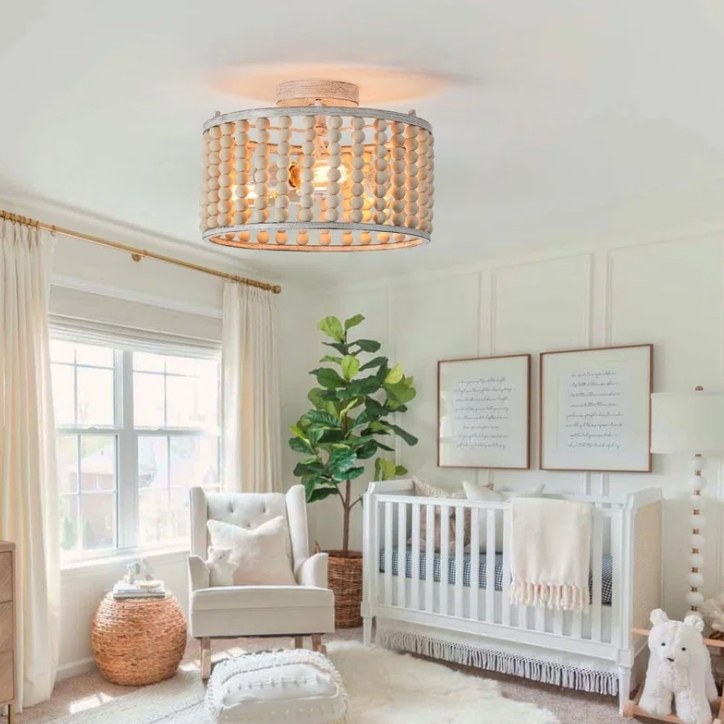
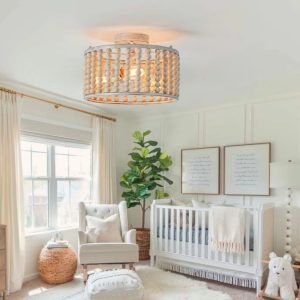
    In 2025, interior design continues to celebrate individuality, texture, and warmth—and nothing embodies this better than the beaded chandelier. Once a niche bohemian accessory, this handcrafted lighting style has evolved into a must-have décor statement, blending natural charm with timeless elegance. Whether your home leans coastal, farmhouse, or eclectic, a beaded chandelier instantly adds soul and sophistication to any space.


    Why Beaded Chandeliers Are Trending

    The rise of the beaded chandelier is closely tied to the global shift toward organic materials and artisanal craftsmanship. Homeowners and designers alike are turning away from sterile, mass-produced fixtures in favor of pieces that tell a story.

    Beaded chandeliers stand out for their:

    • Natural Aesthetic: Often crafted from wood, rattan, shell, or glass beads, they exude a tactile, earthy beauty.
    • Soft Lighting Effect: The beads gently diffuse light, creating a cozy, inviting glow perfect for living rooms and dining spaces.
    • Versatility: These chandeliers adapt effortlessly—from rustic farmhouse ceilings to sleek modern interiors.


    Boho-Chic Style at Its Finest

    At the heart of boho-chic design is an appreciation for texture, culture, and freedom of expression. A beaded chandelier captures all three. Its handcrafted appearance and imperfect beauty make it the ideal accent piece for this relaxed yet elegant style.

    Pair a wood-beaded chandelier with woven furniture and linen fabrics for a coastal or Scandinavian vibe. Or opt for a crystal-beaded design to add subtle glamour to a neutral, bohemian living room. The key is layering natural textures and letting the chandelier be your room’s statement piece.


    Where to Use a Beaded Chandelier

    One of the best things about beaded chandeliers is their adaptability. Here are some placement ideas to inspire you:

    • Dining Room: Create a warm, intimate atmosphere over the table.
    • Living Room: Use it as a focal point above the seating area.
    • Bedroom: Add a romantic touch with a smaller fixture over the bed.
    • Entryway: Make a stunning first impression with a cascading beaded design.

    Their neutral tones make them easy to integrate with both earthy palettes and bold color schemes.


    How to Choose the Right Beaded Chandelier

    When selecting the perfect beaded chandelier, consider:

    1. Material: Wood beads give a rustic and coastal vibe, while glass or crystal beads offer an elegant sparkle.
    2. Size: The chandelier should balance your ceiling height and room scale—large enough to make an impact but not overwhelm the space.
    3. Color: Natural wood, whitewashed, or pastel tones are trending in 2025, complementing modern and bohemian interiors alike.

    For more ideas and product inspiration, check out this detailed guide to the best beaded chandelier selections in 2025.


    Final Thoughts

    The beaded chandelier is more than just lighting—it’s a conversation piece, a mood enhancer, and a work of art. In 2025, as design trends favor authenticity and comfort, this boho-chic icon continues to shine. Whether you’re refreshing a single room or completing a full home makeover, a beaded chandelier adds warmth, personality, and timeless beauty to your space.

  • What Is Rustic Lighting?

    What Is Rustic Lighting?

    Rustic lighting is more than a home décor trend—it’s a design philosophy that celebrates simplicity, natural beauty, and handcrafted authenticity. At its heart, rustic lighting draws inspiration from the rugged warmth and organic textures of the natural world, echoing the cozy feel of cabins, lodges, and farmhouses.

    These fixtures are not just sources of illumination—they are statement pieces that ground a space with a sense of history and earthy character. Unlike sleek, polished modern designs, rustic lighting embraces imperfection and the charm of hand-built craftsmanship. It reminds us of a time when design felt raw, personal, and connected to nature.


    Defining Characteristics of Rustic Lighting

    Rustic lighting stands out for its authentic materials, natural finishes, and timeless craftsmanship. Each piece tells a story through its textures, tones, and simple yet enduring design.

    1. Natural and Unrefined Materials

    The foundation of rustic lighting lies in its organic material palette, often sourced directly from nature:

    • Wrought Iron and Aged Metals: These give fixtures a sturdy, handcrafted appearance. Finishes such as oil-rubbed bronze, antique copper, pewter, and matte black lend a timeworn look. Imperfect or distressed textures are embraced rather than concealed.
    • Wood: Reclaimed, distressed, or raw-hewn wood is central to the rustic style. Beams, planks, or branches often form part of the design, with visible grains, knots, and natural irregularities adding warmth and character.
    • Organic Accents: Many rustic fixtures include unique natural details such as antlers (in lodge-style lighting), rope or hemp (for nautical or country rustic), or bases made from stone and ceramic.


    2. Warm and Earthy Finishes

    Rustic lighting avoids bright or reflective surfaces in favor of matte, weathered, or patina finishes. The color palette mirrors the natural landscape—think browns, tans, charcoal blacks, and muted metallics.
    Glass shades are often frosted or seeded, diffusing the light to create a soft, ambient glow that reinforces a cozy, inviting atmosphere.


    3. Simplistic and Vintage-Inspired Forms

    The shapes of rustic light fixtures are intentionally practical and timeless, often inspired by early industrial or farmhouse design:

    • Lantern and Cage Designs: Old-fashioned lanterns or wire-cage lights recall early lighting styles with nostalgic charm.
    • Exposed Bulbs: Edison-style bulbs with visible filaments and warm color temperatures (typically 2700K–3000K) enhance the vintage aesthetic.
    • Functional Shapes: Forms tend to be robust and utilitarian—designed for purpose rather than ornamentation—yet their simplicity exudes quiet elegance.


    Major Sub-Styles of Rustic Lighting

    “Rustic” encompasses a range of distinct aesthetics, each rooted in the same design philosophy but reflecting different moods and influences.


    Farmhouse Lighting

    A lighter, more refined take on rustic style, farmhouse lighting mixes the old with the new. It often features galvanized or painted metal, black iron, and natural wood accents.
    Popular examples include linear wood chandeliers over dining tables, gooseneck sconces, and pendant lights with dome or mason-jar shades—often finished in enamel or clear glass for a crisp yet vintage look.


    Lodge or Cabin Lighting

    This is the most traditional and rugged interpretation of rustic lighting. Designed for vaulted ceilings and timber-framed interiors, lodge-style fixtures are large, dramatic, and substantial.
    They commonly feature antler chandeliers, wrought iron frameworks, and mottled or parchment-like glass shades, evoking the feel of a mountain retreat or hunting cabin.

    Industrial Rustic (Urban Rustic)

    Industrial rustic blends raw industrial elements with warm rustic textures. Think metal piping, reclaimed wood, and Edison bulbs.
    This modern twist focuses on geometric simplicity—metal shades, exposed hardware, and an urban edge balanced by the organic warmth of wood.


    Transitional Rustic

    A contemporary evolution of rustic design, transitional rustic strikes a balance between rugged and refined.
    It maintains the warmth of natural materials like weathered oak but simplifies the shapes for a cleaner, modern profile. This makes it perfect for urban and suburban homes that want rustic warmth without going fully “cabin-style.”


    How to Incorporate Rustic Lighting into Your Home

    Rustic lighting adds texture, contrast, and warmth to interior spaces. When thoughtfully placed, it can instantly transform the mood of a room and tie together your décor.

    Room Lighting Type Design Impact
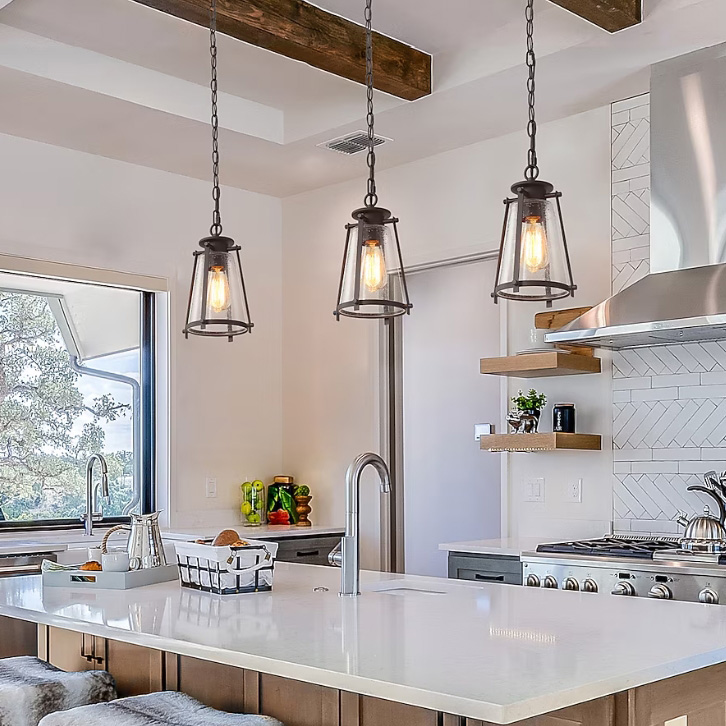
    Kitchen Island Pendants: Clusters of wood or black metal pendants with clear glass shades. Adds a rustic focal point while providing focused task lighting.
    Dining Room Wagon Wheel Chandelier: Circular fixture made of iron or wood. Creates a dramatic centerpiece that encourages gathering and conversation.
    Living Room Floor & Table Lamps: Bases of distressed wood, iron, or ceramic with burlap or linen shades. Fills the room with soft, cozy light and tactile warmth.
    Hallways / Bathrooms Wall Sconces: Lantern-style or gooseneck sconces in oil-rubbed bronze. Introduces inviting accent lighting and architectural detail.


    The Importance of Warm Light

    To achieve a truly authentic rustic atmosphere, the light itself must be warm and inviting.
    Choose bulbs with a warm color temperature between 2200K and 3000K, which mimic the soft glow of candlelight or firelight. This golden hue enhances wood tones, metals, and natural textures—core features of rustic décor.

    Avoid cool white or daylight bulbs, as they can make rustic materials appear harsh and sterile, undermining the cozy aesthetic.


    Final Thoughts

    Rustic lighting captures the essence of handcrafted charm, natural materials, and timeless comfort. By blending raw textures, weathered finishes, and warm illumination, it transforms modern interiors into spaces that feel grounded, inviting, and full of character.

    Whether you lean toward farmhouse simplicity, cabin ruggedness, or industrial rustic sophistication, the beauty of rustic lighting lies in its ability to bring nature and nostalgia into the heart of your home.

  • Rattan Chandelier: The Ultimate Buying Guide for UK Homes

    Rattan Chandelier: The Ultimate Buying Guide for UK Homes

    The UK home décor scene is embracing natural, eco-friendly, and timeless design elements, with the rattan chandelier leading the trend. Combining the rustic charm of woven textures with the elegance of statement lighting, a rattan chandelier is the perfect way to elevate a living space. Whether you’re redesigning a cosy London flat, a countryside cottage, or a modern apartment in Manchester, this versatile lighting choice adds warmth, texture, and sophistication.

    In this guide, we’ll cover everything you need to know about rattan chandeliers UK — from what they are and why they’re trending in the UK, to styling tips, popular designs, and where to buy the best options locally.


    What is a Rattan Chandelier?

    A rattan chandelier is a decorative hanging light fixture crafted from rattan — a natural, vine-like material sourced mainly from tropical regions. Unlike heavier metals or crystal chandeliers, rattan chandeliers are lightweight, durable, and sustainable, making them ideal for modern eco-conscious homes.

    Many homeowners confuse rattan chandeliers with wicker chandeliers. Here’s the difference:

    • Rattan → The actual natural material.
    • Wicker → A weaving technique that can use rattan, bamboo, or other fibres.

    This means a wicker chandelier may not always be made of rattan, but a rattan chandelier always uses this beautiful natural vine.

    rattan chandelier uk

    Why Choose a Rattan Chandelier for Your Home?

    Here are the main reasons why UK homeowners are increasingly choosing rattan chandeliers:

    1. Eco-Friendly Choice – Rattan is sustainable, fast-growing, and biodegradable.
    2. Durability – Despite being lightweight, rattan is strong and long-lasting.
    3. Aesthetic Appeal – Its natural texture brings warmth and character to any space.
    4. Versatility – Works across a wide range of interior styles: boho, coastal, rustic, or modern.
    5. Unique Statement – No two rattan chandeliers are the same thanks to natural variations.


    Top Styles of Rattan Chandeliers in the UK

    Rattan chandeliers are available in different shapes, sizes, and designs to suit every home style. Some of the most popular UK trends include:

    1. Bohemian Rattan Chandelier

    Perfect for free-spirited interiors, boho rattan chandeliers often feature layered, organic designs that pair beautifully with macrame décor and indoor plants.

    1. Modern Rattan Chandelier

    Sleek lines, minimalist weaving, and neutral finishes make modern rattan chandeliers ideal for contemporary London apartments or stylish city flats.

    1. Rustic Farmhouse Rattan Chandelier

    Great for cottages and countryside homes, this style blends rattan with wood or iron details for a cosy, farmhouse feel.

    1. Coastal / Beach House Rattan Chandelier

    A favourite in UK seaside towns, coastal rattan chandeliers often feature open-weave designs, light colours, and airy shapes to reflect a breezy atmosphere.

    1. Large Rattan Chandelier for Dining Rooms

    Statement-making oversized chandeliers are trending in UK dining rooms and open-plan spaces, providing both function and a dramatic design element.


    Where to Use a Rattan Chandelier in Your Home

    One of the biggest strengths of a rattan chandelier is versatility. Here’s how UK homeowners are styling them:

    • Living Room – Create a focal point above the seating area.
    • Dining Room – Hang above the dining table for warm, intimate lighting.
    • Bedroom – Add a relaxed, bohemian vibe to your sanctuary.
    • Entryway / Hallway – Impress guests with a statement piece as soon as they enter.
    • Garden Room or Conservatory – Rattan chandeliers look fantastic in bright, natural-light-filled spaces.


    How to Choose the Right Rattan Chandelier (UK Guide)

    When shopping for a rattan chandelier in the UK, consider the following:

    1. Size & Scale – Measure your space before buying.
      • Small rooms → 40–60cm diameter chandeliers.
      • Large dining rooms → 70–100cm or multi-tier designs.
    2. Shape – Round, dome, drum, or tiered — pick one that matches your furniture and room proportions.
    3. Colour
      • Natural beige for organic interiors.
      • Whitewashed for coastal or shabby chic.
      • Black or darker tones for modern elegance.
    4. Lighting Type – Check whether it’s single-bulb or multi-bulb. Warm LED bulbs pair best with rattan textures.
    5. Compatibility – Ensure it meets UK wiring and ceiling fitting standards before purchase.


    Rattan Chandelier Trends in the UK

    Looking ahead, here are some of the hottest rattan chandelier trends:

    • Sustainable Living → More UK buyers prefer natural, non-toxic, and biodegradable materials.
    • Mixed Materials → Rattan paired with brass, chrome, or fabric shades.
    • Oversized Chandeliers → Dramatic large-scale lighting in open-plan homes.
    • Layered Lighting → Pairing rattan chandeliers with matching rattan wall sconces or table lamps.


    Where to Buy Rattan Chandeliers in the UK

    If you’re looking to buy a rattan chandelier in the UK, here are some trusted sources:

    • Wayfair UK – Large variety with price flexibility.
    • Dunelm – Affordable rattan chandeliers for everyday homes.
    • John Lewis – Premium, design-focused pieces.
    • Made.com – Contemporary styles (check availability).
    • Etsy UK – Handmade and artisanal designs from small sellers.

    💡 Pro tip: Always check delivery costs and return policies, especially for larger fixtures.


    Rattan Chandelier Care & Maintenance Tips

    To keep your chandelier looking its best:

    • Dust weekly with a soft cloth or feather duster.
    • Avoid moisture – rattan can warp if exposed to humidity.
    • Vacuum gently with a brush attachment for deep cleaning.
    • Check wiring regularly, especially for older homes with unique ceiling fittings.


    FAQs About Rattan Chandeliers

    1. Are rattan chandeliers durable?
      Yes, when properly cared for, rattan chandeliers can last many years.
    2. Can rattan chandeliers be painted?
      Yes, you can spray-paint them white, black, or any colour to match your décor.
    3. Are rattan chandeliers outdated?
      Not at all — in fact, they’re one of the biggest UK home décor trends.
    4. How do I install a rattan chandelier safely in the UK?
      Always hire a qualified electrician to ensure compatibility with UK electrical standards.
    5. Are rattan chandeliers suitable for small spaces?
      Yes, choose a compact design or single pendant-style chandelier for flats or smaller rooms.


    Conclusion

    A rattan chandelier is more than just a light fixture — it’s a statement piece that combines style, sustainability, and functionality. Perfect for UK homes of all styles, from modern city apartments to rustic countryside cottages, these chandeliers bring natural warmth and elegance into any space.

    If you’re planning a home update, investing in a rattan chandelier could be the perfect way to refresh your interiors while staying on trend.

  • Seasonal Styling with Linen Shade Chandeliers

    Seasonal Styling with Linen Shade Chandeliers

    How to Refresh Your Space Year-Round with Versatile Lighting

    Linen shade chandeliers have become a beloved design choice for those who appreciate natural texture, soft lighting, and understated elegance. These fixtures strike the perfect balance between form and function, diffusing light beautifully through linen’s airy weave while adding warmth and character to any space.

    One of the most compelling aspects of linen shade chandeliers is their year-round versatility. With just a few simple styling changes, these timeless fixtures can adapt to reflect the energy and mood of each season. Whether you’re embracing the crisp freshness of spring or the cozy comfort of winter, linen shade chandeliers provide a neutral foundation that can be styled endlessly.

    In this article, we’ll explore how to seasonally style your home with linen shade chandeliers—from color schemes and accessories to textures and accents that make your space feel current and cohesive no matter the time of year.


    Why Choose Linen Shade Chandeliers?

    Before diving into seasonal styling, it’s worth exploring why linen shade chandeliers are such a wise investment for the home.

    ✦ Soft Ambient Light

    Linen gently diffuses light, eliminating harsh glare and creating a cozy, ambient glow that’s ideal for living rooms, dining areas, and bedrooms.

    ✦ Natural Texture

    Linen adds an element of organic texture that complements a range of design styles, from coastal and farmhouse to modern and transitional.

    ✦ Neutral Foundation

    Because linen shades are typically offered in neutral colors—white, ivory, beige, or gray—they provide a blank canvas for seasonal décor.

    ✦ Timeless Elegance

    Unlike overly ornate or trend-driven fixtures, linen chandeliers tend to be subtle and classic, aging gracefully over time.


    Spring Styling: Fresh & Floral

    Spring is the season of renewal, and your home should reflect that same sense of lightness and awakening. With a linen shade chandelier as your anchor, bring in airy, botanical elements to make your room feel fresh and alive.

    Spring Style Tips:

    • Floral Accents: Use real or faux flowers on the table beneath your chandelier, or even floral garlands woven through the chandelier arms (carefully, to avoid heat interference).
    • Pastel Palette: Incorporate soft shades of mint, blush pink, lavender, or sky blue through table linens, pillows, or area rugs.
    • Natural Materials: Pair your chandelier with light woods, rattan, or jute to enhance the organic aesthetic.
    • Sheer Curtains: Let in as much natural light as possible to amplify the soft glow from your linen shade chandelier.


    Summer Styling: Bright & Breezy

    In the summer, a linen chandelier fits beautifully into a coastal or relaxed retreat-inspired space. This season is all about light, openness, and simplicity. Your goal is to make the chandelier feel like a seamless part of a laid-back, sun-soaked environment.

    Summer Style Tips:

    • Cool-Toned Accents: Add accents in crisp white, seafoam green, or navy blue for a coastal feel.
    • Minimal Decor: Embrace the “less is more” mantra—let your linen chandelier shine on its own by reducing clutter and heavy textiles.
    • Glass & Metal: Mix in clear glass vases or metallic trays to add reflection and lightness to the space.
    • Ceiling Fans + Chandeliers: In larger rooms, consider pairing a linen shade chandelier with a ceiling fan nearby for both style and comfort.

    Pro tip: A drum-style linen shade chandelier works beautifully in summer kitchens or breezy screened-in porches when paired with weathered wood and woven decor.


    Fall Styling: Warm & Earthy

    As temperatures drop, bring warmth and richness back into your space by layering cozy textures and autumnal hues. Linen, with its tactile appeal, transitions perfectly into the fall season.

    Fall Style Tips:

    • Layered Textures: Introduce velvet, leather, wool, or tweed in the form of throws, seat cushions, or accent pillows.
    • Warm Tones: Think burnt orange, terracotta, olive green, and mustard yellow. These colors pair beautifully with the soft glow of a linen shade chandelier.
    • Candles and Lanterns: Add candlelight around the chandelier’s glow for an extra layer of coziness.
    • Seasonal Decor: Mini pumpkins, dried leaves, and wood accents placed on tables beneath your chandelier help tie the look together.

    Consider dimming your chandelier slightly in the evening to create a comforting, low-light environment perfect for autumn dinners and gatherings.


    Winter Styling: Elegant & Cozy

    In winter, your home becomes a retreat from the cold, and lighting plays a key role in crafting a warm, inviting atmosphere. Linen chandeliers take on a new life when surrounded by rich materials and holiday-inspired accents.

    Winter Style Tips:

    • Layered Lighting: Pair your linen chandelier with sconces or table lamps for a multi-source lighting approach that enhances warmth.
    • Metallic Accents: Add sparkle through silver, gold, or antique brass accessories to echo the glow of holiday lights.
    • Deep, Rich Colors: Use navy, forest green, burgundy, or charcoal to contrast with the light tones of the linen shade.
    • Holiday Embellishments: Hang small ornaments or greenery garlands near the fixture (keeping safety in mind) to incorporate seasonal flair.

    Bonus idea: Use a smart dimmer switch to control brightness and set a cozy scene for winter movie nights or festive dinners.


    Styling Tips That Work All Year

    While each season brings unique opportunities, some styling principles can apply across all four:

    ✔️ Keep It Balanced

    Whether your chandelier is the centerpiece or one element among many, balance is key. Match its visual weight with other furnishings or décor pieces.

    ✔️ Mind Your Bulbs

    Use warm white LED bulbs (2700K–3000K) year-round for a soft, flattering glow that pairs perfectly with linen shades.

    ✔️ Clean Between Seasons

    Dust or vacuum your linen shade gently between seasons to keep it looking fresh and to ensure maximum light diffusion.

    ✔️ Refresh Surrounding Decor

    Sometimes just changing a centerpiece, runner, or vase beneath your chandelier is enough to shift the seasonal feel.


    Where Linen Shade Chandeliers Work Best

    Because of their soft, natural look, linen shade chandeliers are versatile enough for many rooms. Here’s where they particularly shine throughout the year:

    • Foyers: A linen chandelier makes for a warm, inviting entryway that feels timeless.
    • Dining Rooms: Soft light diffused through linen creates an intimate atmosphere for family meals or holiday feasts.
    • Bedrooms: Perfect for a cozy, tranquil vibe—especially when paired with dimmers.
    • Living Rooms: Can be styled to reflect the changing seasons through accessories and soft furnishings.


    Final Thoughts

    Styling your space seasonally doesn’t require a full renovation. With a linen shade chandelier as your anchor, you can create fresh, beautiful looks all year long simply by adjusting your accessories, textures, and surrounding color palette.

    This kind of lighting fixture offers a rare combination of timeless style and seasonal adaptability, allowing you to enhance your space with natural warmth in spring, breezy elegance in summer, cozy textures in fall, and festive glow in winter.

    Whether your home is modern, coastal, farmhouse, or transitional, a linen shade chandelier is a smart and stylish investment that will serve you beautifully through every season.

  • How to install a pendant light in the UK: A Step By Step Guide

    How to install a pendant light in the UK: A Step By Step Guide

    Pendant lights are a popular lighting solution that adds character, style, and practical illumination to any room. Whether you’re refreshing your interior decor or simply replacing an old fixture, installing a pendant light can be a rewarding DIY task. However, in the UK, certain rules and safety precautions must be followed, especially when dealing with electrical systems.

    In this guide, we’ll walk you through the essential steps to install a pendant light in a typical UK home, from preparation and safety to wiring and final testing.


    Safety First: UK Electrical Standards

    Before you begin, it’s essential to follow UK safety regulations:

    1. Isolate the power supply – Turn off the circuit at the consumer unit (fuse box) and use a voltage tester to confirm there’s no live electricity
    2. Comply with BS 7671 wiring regs – All fittings must meet UK electrical standards, including earthing when required
    3. Ensure structural support – Pendant lights over 2 kg must be supported by a ceiling joist or chain, not the cable alone
    4. Earth connection is mandatory – Unless it’s a double-insulated (Class II) fixture, make sure there’s an earth wire
    5. Know your wiring system – Determine whether your ceiling uses a loop-in or junction-box setup for proper connections


    Tools & Materials You’ll Need

    • Voltage tester
    • Screwdrivers (flat & PH2)
    • Wire stripper/cutters
    • Drill with relevant bits
    • Helmet plugs and screws
    • Mounting bracket or ceiling hook
    • Appropriate connector blocks
    • Optional: pendant chain or rod for heavy fixtures


    Step-by-Step Installation Guide

    Step 1. Prepare Your Workspace

    • Isolate power and test with a voltage tester
    • Lay out all parts and tools.
    • If you’re replacing a light, remove the old fitting carefully.

    Step 2. Install Structural Support

    • Locate a ceiling joist or use a ceiling hook rated for at least 5 kg if the pendant is heavy
    • For metal fittings over 2 kg, use a chain or support rod instead of relying on the flex

    Step 3. Secure the Bracket or Hook

    • Mark drill points around the ceiling rose hole
    • Drill and fit wall plugs for a strong mount.
    • Screw the bracket or hook securely to handle the fixture’s weight.

    Step 4. Adjust Pendulum Height

    • Lower and adjust the cable, chain, or rod to your desired length before wiring
    • Leave extra cable in the ceiling rose for easy connections.

    Step 5. Connect the Wiring

    • Inside the ceiling rose or connector block:
      • Live (brown) to live
      • Neutral (blue) to neutral
      • Earth (green/yellow) to earth terminal (unless Class II)
    • Ensure connectors are fully tightened and cables well insulated

    Step 6. Fix the Canopy/Ceiling Rose

    • Slide the canopy up and secure it with screws onto the bracket.
    • For glass shades, tighten thumbscrews evenly
    • Keep wiring neat for a clean look.

    Step 7. Install the Bulb and Shade

    • Fit a suitable bulb—ideally a warm-white LED (2700–3000 K).
    • Ensure bulb wattage doesn’t exceed the fixture’s maximum rating.

    Step 8. Restore Power and Test

    • Turn the circuit back on.
    • Use a voltage tester and switch on the light to check functionality.
    • Observe the pendant is secure and the light glows evenly.


    💡 Key Tips for a Safe, Stylish Finish

    • Use supports for weight – don’t let pendant flex bear the load
    • Cable tidy is vital – group spare cables inside the rose with cable ties
    • Match wiring colours – brown (live), blue (neutral), green/yellow (earth)
    • Avoid overloading – ensure your circuit’s total wattage is within safe limits
    • Use an RCD breaker – UK regulations recommend residual-current protection for lighting circuits


    When to Call a Professional

    Even with great instructions, it’s safer to consult a qualified electrician (Part P registered) if:

    • You’re unsure about wiring types
    • Your ceiling wiring is outdated or non-standard
    • Regulations mandate professional installation
    • You’re installing in bathroom or outdoor zones


    Conclusion

    Installing a pendant light in the UK is an achievable DIY task, provided you follow safety guidelines and wiring standards. By isolating the circuit, securing proper support, matching wires correctly, and testing thoroughly—any homeowner can elevate their space with stylish lighting.

  • 5 Ways to Incorporate Black and Brass Pendant Lights into Your Kitchen Design

    5 Ways to Incorporate Black and Brass Pendant Lights into Your Kitchen Design

    In the world of kitchen design, lighting does more than illuminate a space—it defines it. One of the most popular and enduring lighting trends in recent years is the black and brass pendant light. This striking combination of deep matte black and warm metallic brass creates a beautiful contrast that’s both contemporary and timeless.

    Whether you have a modern, transitional, or farmhouse-style kitchen, black and brass pendant lights can be the perfect finishing touch. In this article, we’ll explore five stylish and practical ways to incorporate black and brass pendant lights into your kitchen design.


    1. Create a Focal Point Over the Kitchen Island

    The kitchen island is the heart of many modern homes—a multifunctional hub for cooking, dining, and entertaining. Black and brass pendant lights naturally draw the eye and make an ideal focal point when suspended above an island.

    Design Tip:

    • Use odd numbers (typically three) of small to medium-sized pendants for symmetry and flow.
    • For larger pendants, two evenly spaced fixtures may be more appropriate.
    • Match the brass accents with nearby hardware (cabinet handles, taps, or barstool legs) for a cohesive look.

    Why it works: The mix of black and brass offers a bold silhouette while softening the overall aesthetic with a touch of warmth.


    2. Frame a Breakfast Nook with Sophisticated Ambience

    If your kitchen includes a breakfast nook or small dining corner, a single black and brass pendant can serve as a stylish anchor to define the space. This works especially well in open-plan kitchens where you want to create zones without using walls.

    Design Tip:

    • Choose a pendant with a softer shade or smoked glass if you want a more diffused glow.
    • Opt for adjustable height to keep the light low over the table for intimacy and focus.

    Why it works: Pendant lighting adds a sense of structure and luxury to even the most casual dining areas, and the black-brass combo instantly elevates the mood.


    3. Complement Two-Tone Kitchen Cabinets

    Black and brass pendant lights shine brightest when paired with kitchens that already feature contrasting tones, such as white uppers and dark lowers, or grey cabinetry with wooden accents.

    Design Tip:

    • Coordinate the black finish with cabinetry or shelving.
    • Let the brass accents echo metallic finishes like taps, appliances, or drawer pulls.
    • Choose minimalist cone or dome-shaped pendants for a sleek, modern edge.

    Why it works: A black and brass pendant becomes the perfect “bridge” between light and dark elements, tying your entire kitchen palette together.


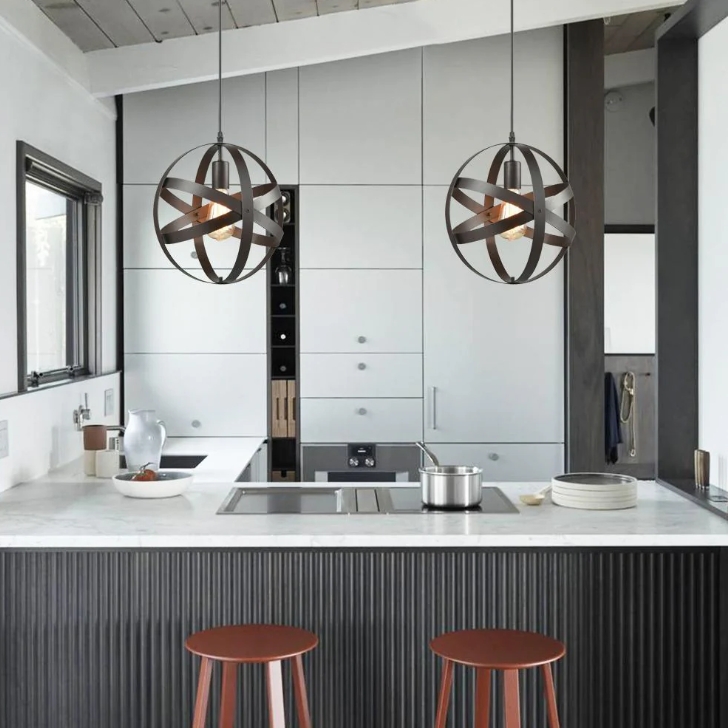
    4. Add Drama Above a Peninsula or Bar Area

    For kitchens with a peninsula or bar counter, black and brass pendants are ideal for injecting a bit of drama and glamour without overwhelming the space.

    Design Tip:

    • Use multiple smaller pendants in a row, or one large sculptural piece for a bold statement.
    • Consider pendants with exposed filament bulbs or brass cages for a slightly industrial feel.

    Why it works: These lights offer direct task lighting for meals and drinks while contributing an upscale visual accent that’s hard to miss.


    5. Balance Modern Minimalism with Warmth

    If your kitchen leans minimalist—with sleek cabinetry, quartz countertops, and a neutral color palette—black and brass pendant lights can introduce just the right amount of warmth and character.

    Design Tip:

    • Choose simple geometric shapes for a clean, uncluttered look.
    • Combine matte black with aged or brushed brass for a lived-in feel.

    Why it works: Brass introduces warmth without disrupting the minimal aesthetic, while black adds contrast and definition.


    Bonus Tips for Choosing the Right Pendant Lights

    • Size & Scale: Pendant lights should be proportional to your space. Avoid oversized lights in small kitchens or tiny lights in large open kitchens.
    • Spacing: For kitchen islands, hang pendants about 75–90 cm (30–36 inches) above the surface and space them evenly.
    • Dimmers: Install dimmer switches to control the mood—from bright task lighting to softer ambient lighting.
    • Finish Matching: Try to match the brass tone of your pendants with other brass fixtures in your kitchen. Not all brass is the same—there’s polished, satin, aged, antique, and brushed.


    Final Thoughts

    Black and brass pendant lights are more than just a trend—they’re a statement of taste and style. Their blend of modern edginess and classic elegance makes them adaptable to virtually any kitchen design. Whether you’re remodeling your kitchen or simply updating your lighting, these fixtures offer a simple way to make a dramatic and timeless impact.

    So go ahead—hang that black and brass beauty. Your kitchen deserves a touch of bold refinement.

  • Chandelier vs Light Fixture: What Are the Differences?

    Chandelier vs Light Fixture: What Are the Differences?

    Lighting plays a critical role in setting the mood, enhancing functionality, and adding aesthetic appeal to any space. When shopping for lighting, terms like “chandelier” and “light fixture” often come up, and many people use them interchangeably. However, these two terms are not the same, and understanding the difference between them is important when designing or renovating your home.

    In this article, we’ll explore the differences between chandeliers and light fixtures in terms of design, function, style, placement, cost, and more—so you can make informed choices for your lighting needs.


    What Is a Light Fixture?

    Let’s start with the broader term: light fixture.

    A light fixture (also called a luminaire) is any complete electrical device that provides illumination. It includes all the necessary parts such as:

    • The bulb or LED source
    • The socket
    • The housing or body
    • Wiring and mounting hardware

    Examples of light fixtures include:

    • Chandeliers
    • Pendant lights
    • Ceiling lights
    • Wall sconces
    • Recessed lighting
    • Track lighting
    • Floor lamps and table lamps

    So, in simple terms: every chandelier is a light fixture, but not every light fixture is a chandelier.


    What Is a Chandelier?

    A chandelier is a specific type of light fixture that typically:

    • Hangs from the ceiling
    • Features multiple branches or arms
    • Holds several light bulbs or candles
    • Is often ornamental and used for decorative purposes

    Chandeliers are commonly found in formal spaces such as:

    • Entryways or foyers
    • Dining rooms
    • Ballrooms
    • Hotel lobbies
    • Stairwells
    • Living rooms

    Modern chandeliers can vary widely in shape, size, and style—from traditional crystal chandeliers to sleek, contemporary models made of metal and glass.


    Key Differences Between a Chandelier and a Light Fixture

    1. Category vs. Subcategory

    • Light Fixture: A general term that refers to all lighting units.
    • Chandelier: A specific subcategory of light fixture.

    This is the most fundamental difference. Saying “chandelier vs light fixture” is like saying “apple vs fruit.” A chandelier is a type of light fixture.


    2. Design Complexity

    • Chandeliers are typically elaborate, decorative, and multi-branched. They often serve as a focal point in a room and feature multiple lights, arms, and intricate detailing.
    • Light fixtures as a whole can range from very simple (like recessed lights) to moderately decorative (like flush mounts or wall sconces), but they are not always designed to draw attention.

    Verdict: Chandeliers are usually more ornate and complex in design.


    3. Installation and Placement

    • Chandeliers require a strong ceiling mount because they are often heavy. They are generally installed in rooms with higher ceilings, typically 8 feet or taller.
    • Other light fixtures like flush mounts or recessed lights can be installed in lower ceilings, smaller rooms, or areas requiring subtle lighting.

    Common placements for chandeliers:

    • Over a dining table
    • In a two-story entryway
    • In stairwells

    Common placements for general light fixtures:

    • Hallways
    • Kitchens
    • Bathrooms
    • Bedrooms

    Verdict: Chandeliers are more suited for grand, open areas with space to accommodate their size and design.


    4. Number of Light Sources

    • Chandeliers almost always have multiple light sources, with three to twelve arms (or more), depending on size.
    • Other light fixtures can have a single light source (like a pendant or wall sconce) or multiple lights arranged linearly (like a vanity light).

    Verdict: Chandeliers typically provide more illumination due to their multi-bulb configuration.


    5. Functionality vs. Decorative Appeal

    • Light fixtures can be purely functional (like under-cabinet lighting or recessed lights) and are chosen based on brightness, coverage, and placement.
    • Chandeliers are chosen as a design centerpiece, providing both light and visual impact. They’re more about aesthetics and ambiance.

    Verdict: Chandeliers are decorative showpieces, while general light fixtures often prioritize function over form.


    6. Cost and Investment

    • Chandeliers generally cost more than regular light fixtures due to:
      • Higher material quality (crystal, glass, brass, etc.)
      • Larger size
      • More complex manufacturing
      • Installation difficulty
    • Light fixtures range widely in price but are usually more affordable and easier to replace or upgrade.

    Average Costs (Estimates):

    • Standard ceiling light: £30–£150
    • Chandelier: £150–£2,000+ depending on materials and size

    Verdict: Chandeliers are usually more expensive, both to purchase and to install.


    7. Maintenance and Cleaning

    • Chandeliers—especially crystal models—require more maintenance. Dust and debris accumulate on arms, bulbs, and crystal pendants, and they’re often mounted high up, making cleaning difficult.
    • Other fixtures are easier to access and clean, especially wall-mounted or recessed options.

    Verdict: Chandeliers require more effort to maintain, while general light fixtures are lower maintenance.


    8. Lighting Styles and Ambience

    • Chandeliers create a more ambient or mood-enhancing light with a spread of illumination, often bounced off walls and ceilings.
    • Light fixtures like downlights or track lights are directional, focused, and more functional.

    Verdict: Chandeliers contribute to atmosphere and ambience, whereas many other light fixtures are designed for task or general lighting.


    When Should You Choose a Chandelier?

    Choose a chandelier if you:

    • Want a focal point in a room
    • Have a high ceiling or large room
    • Are decorating a formal or elegant space
    • Prefer a multi-light design
    • Want to add visual luxury or a sense of drama


    When Should You Choose a Different Light Fixture?

    Choose a standard light fixture if you:

    • Need functional lighting (kitchen, hallway, bathroom)
    • Have a low ceiling or limited space
    • Want a minimalist or modern aesthetic
    • Need affordable and efficient lighting solutions
    • Prefer task-oriented lighting like in a home office or kitchen workspace


    Conclusion

    While a chandelier is a type of light fixture, it stands apart due to its elegant design, multi-bulb configuration, and ability to transform a space with visual drama and ambient lighting. On the other hand, the term light fixture encompasses a wide range of lighting products, from ultra-modern recessed lights to practical wall sconces.

    Understanding the differences in design, function, installation, and cost can help you make the best choice for your space—whether you’re outfitting a grand entryway or simply adding task lighting to your kitchen.

    So the next time you’re browsing lighting options, ask yourself: Do you need a functional fixture, or are you ready to make a statement with a chandelier?