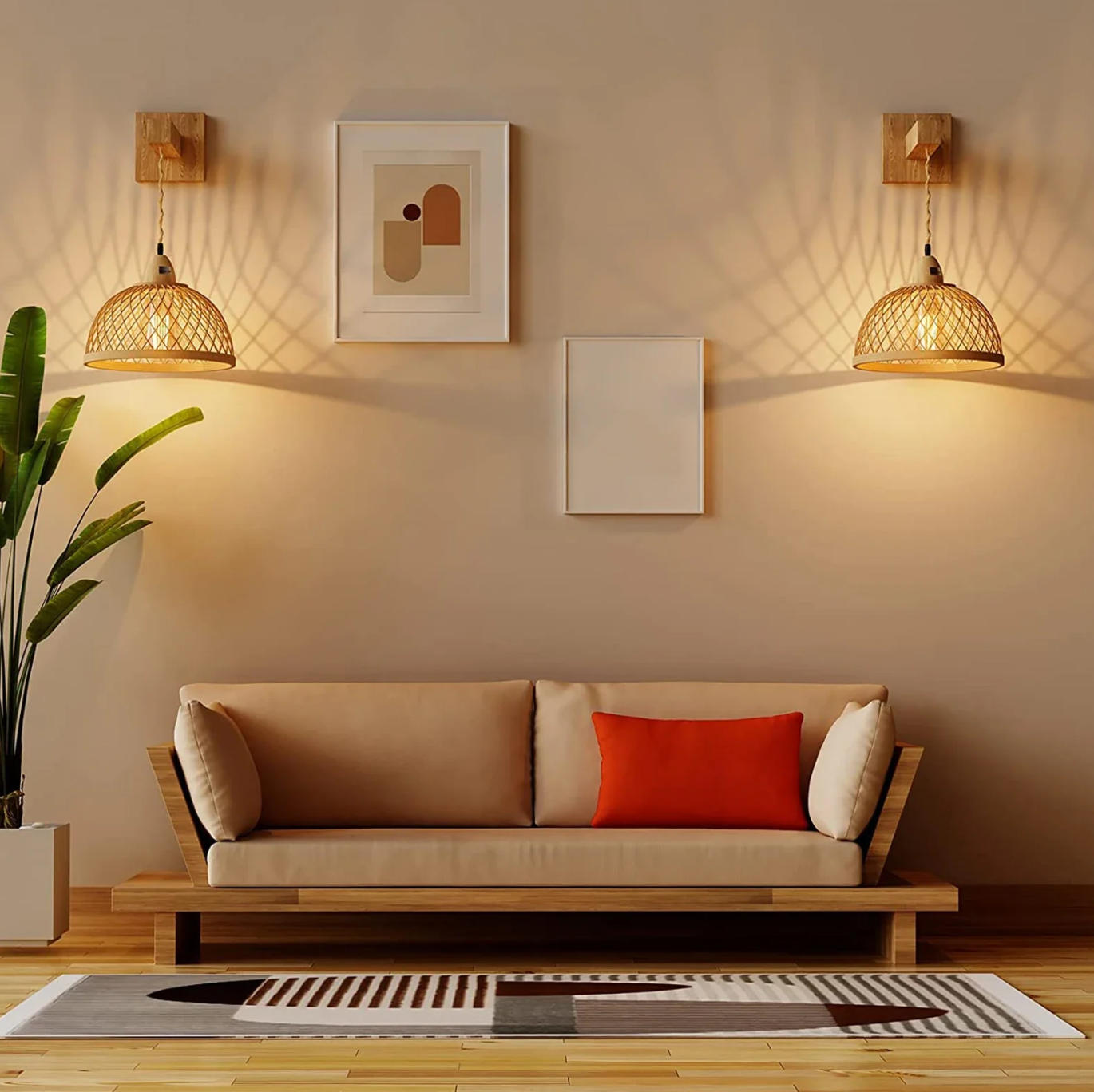
Updating your living room with the right wall lights can transform the space from ordinary to extraordinary. As we head into 2026, lighting trends are evolving to balance aesthetics, comfort, energy efficiency, and smart functionality. Whether you’re renovating, staging a home for sale, or designing a new space, choosing the best wall lights for living room is one of the most impactful design decisions you can make.
This guide walks through:
- Why wall lights matter in living rooms
- 2026 lighting trends
- Top styles and their ideal uses
- Practical placement tips
- Expert insights and authoritative references
Why Wall Lights Matter in a Living Room
Wall lights are more than decorative accents. They play a key role in layered lighting — a concept promoted by interior design authorities and lighting specialists, where ambient, task, and accent lighting work together to create balanced illumination and rich visual depth in a room.
According to the Illuminating Engineering Society (IES), layered lighting helps reduce shadows, enhance spatial perception, and improve the way occupants interact with a space.
In living rooms, well-chosen wall lights can:
- Add ambient light without glare
- Highlight architectural features or artwork
- Create cozy, comfortable accents
- Complement ceiling fixtures and floor lamps
- Provide functional task lighting for reading or conversation areas
Living Room Lighting Goals (2026 Edition)
When selecting wall lights, consider what you want to achieve:
- Enhance General Illumination
Ambient light fills the room evenly, making it feel open and welcoming.
- Add Accents and Visual Interest
Use wall lights to highlight niches, artwork, shelving, or textured walls.
- Improve Task Lighting
Reading corners, television areas, or hobby zones benefit from strategically placed wall lighting.
- Create Mood and Atmosphere
Warm color temperatures and dimmable fixtures help set the tone from day to night.
2026 Wall Lighting Trends for Living Rooms
1. Smart and Tunable Wall Lights
Smart lighting is mainstream. Modern wall lights often include features like:
- App control
- Voice assistant integration (Alexa, Google Home)
- Tunable white (2700–5000K)
The U.S. Department of Energy notes that LED technology continues to lead in efficiency and flexibility, making these smart features both energy-efficient and customizable.
2. Integrated LED Wall Sconces
Integrated LED wall lights are slim, efficient, and long-lasting. They eliminate the need for replacement bulbs and often have sleek, minimalist forms that suit contemporary spaces.
3. Mixed Materials and Textures
In 2026, materials like metal, glass, rattan, and even stone are mixed to create visually rich wall light designs that complement textured walls and layered interiors.
4. Sculptural and Artistic Designs
Lighting is increasingly viewed as functional art. Sculptural wall lights that double as décor pieces are trending in modern living rooms.
5. Biophilic and Natural Finishes
Natural textures like woven materials, wood accents, and stone-inspired finishes integrate effortlessly into living rooms designed with wellness in mind.
Top Styles of Wall Lights for Living Room (2026 Guide)
Here are the best wall light styles to consider, based on current and emerging design trends.
1. Minimalist LED Wall Sconces
Why it’s trending: Ideal for modern and Scandinavian interiors, minimalist LED wall lights offer clean lines and soft, even lighting.
Best for: Ambient lighting, hallway-like living rooms, transitional spaces.
Where to use: Flanking a sofa, above consoles, or in hallways adjacent to the living room.
2. Adjustable Swing-Arm Wall Lights
Why it’s trending: With flexible arms and adjustable heads, these are perfect for reading nooks and couch-side task lighting.
Best for: Reading corners, sectional couches, multifunctional living spaces.
Key feature: Adjustable heads and arms for targeted light where you need it most.
3. Decorative Art Wall Lights
Why it’s trending: Wall lights that look like sculptures or art pieces blend visual interest with illumination — perfect for contemporary and eclectic spaces.
Best for: Accent lighting, personalized décor, gallery walls.
Style pointers: Choose finishes that complement other metals or art frames in the room.
4. Symmetrical Wall Sconce Pairs
Why it’s trending: Symmetry lends visual balance and works well with classic and modern living rooms alike.
Best for: Either side of a fireplace, matched flanking of seating arrangements, symmetry around focal décor.
5. Rattan and Natural Material Wall Lights
Why it’s trending: Natural textures — from rattan to woven metal — pair beautifully with warm, cozy interiors and biophilic design principles.
Best for: Boho, coastal, transitional interiors.
Note: Keep finishes light to avoid dimming effects on room brightness.
6. Mid-Century Modern Retro Wall Lights
Why it’s trending: 2026 design continues to embrace retro influences, especially mid-century modern shapes with a contemporary twist.
Best for: Vintage, eclectic, and hybrid interiors.
7. Industrial Rooftop & Edison Style Wall Lights
Why it’s trending: Industrial finishes are still strong, especially in lofts and modern urban interiors.
Best for: Accent zones, media walls, or alongside industrial furniture.
Tip: Use dimmable LED Edison alternatives to avoid overheating.
How to Choose the Best Wall Lights for Your Living Room
Selecting wall lights goes beyond picking something “pretty.” Here are practical guidelines.
- Determine the Room Size and Scale
A large open living room needs larger, more powerful fixtures, while compact spaces benefit from narrower, recessed, or slim wall lights.
General rule: Choose fixtures that are proportional to your wall height and room width.
- Think in Layers of Light
A balanced lighting plan includes:
- Ambient light (ceiling light or central fixture)
- Wall lights (accent and supplemental)
- Task lights (adjustable reading fixtures)
- Floor and table lighting accents
This layered approach is supported by the Illuminating Engineering Society as the industry standard for effective interior lighting.
- Consider Color Temperature
- 2700–3000K: Warm, cozy atmosphere
- 3000–3500K: Balanced, comfortable everyday light
- 3500–4000K: More energetic, closer to daylight
For living rooms, designers often recommend warm to balanced range to enhance comfort and social ambiance.
- Evaluate Dimming Compatibility
Dimmable wall lights allow flexible control over mood and intensity. Many LED wall lights now offer smooth, flicker-free dimming compatible with smart systems.
- Pay Attention to Placement & Height
A general guideline for living room wall lights:
- Place wall lights 60–66 inches above the floor
- Ensure they are not directly in the line of sight to avoid glare
- Place sconces around seating areas or focal features
Symmetry and spacing are essential for balanced illumination.
Best Placement Spots for Wall Lights in a Living Room
- Flanking a Fireplace
Matching wall sconces on either side of a fireplace mantel can create a sense of symmetry and grandeur.
- Over a Couch or Seating Group
Wall lights above a sofa or sectional can act as both accent and task light for reading or lounge areas.
- Flush on Narrow Walls or Hallways
Slim wall lights can enhance narrow walls without overwhelming the space.
- Accent Lighting for Art and Shelving
Use directional or adjustable wall lights to highlight artwork, photos, or decorative shelves.
Energy Efficiency & Smart Controls in 2026 Wall Lighting
Energy efficiency continues to be a priority. LED technology dominates because of its long life and lower energy consumption.
The U.S. Department of Energy points out that LED lighting can save up to 75–90% energy compared to incandescent bulbs, making LED wall lights a smart choice for long-term energy savings.
Smart wall lights with integrated controls can:
- Change color temperature
- Integrate with voice assistants
- Enable scheduling and scene control
- Reduce peak usage
These features are particularly attractive in modern living rooms, where ambiance and flexibility are key.
Frequently Asked Questions from Designers (FAQ)
Q1: Should wall lights match my ceiling fixture?
Not necessarily — harmonious lighting schemes prioritize complementary design rather than exact matching.
Q2: Where should I place wall lights relative to artwork?
Place accent lights slightly above and aimed downward to illuminate art without glare.
Q3: Are dimmable LEDs a must?
For living rooms, dimmable LED wall lights are highly recommended for mood control and energy savings.
Common Mistakes to Avoid
❌ Placing wall lights too high
Light becomes harsh and doesn’t serve task zones.
❌ Choosing fixtures without dimming
You lose control over ambiance — important for living spaces.
❌ Using overly ornate fixtures in minimalist spaces
Mismatch dilutes design cohesion.
❌ Ignoring shadow patterns
Ensure wall lights don’t cast distracting shadows on seating areas.
Conclusion: Best Wall Lights for Living Room in 2026
Wall lights have matured from purely functional accents to essential elements of modern living room design. In 2026, the best wall lights offer:
✔ Integrated LED and smart features
✔ Dimmability and tunable color temperature
✔ Stylish forms — minimalist, sculptural, textured
✔ Proper placement for layered lighting
✔ Compatibility with design themes from modern to transitional
Whether you favor sleek modern LED sconces, textured natural fiber wall lights, or sculptural artistic forms, the right wall lighting can elevate your living room’s ambiance, comfort, and functionality.
Explore trends, choose wall lights that support your lifestyle, and let your living space shine in 2026.
Leave a Reply