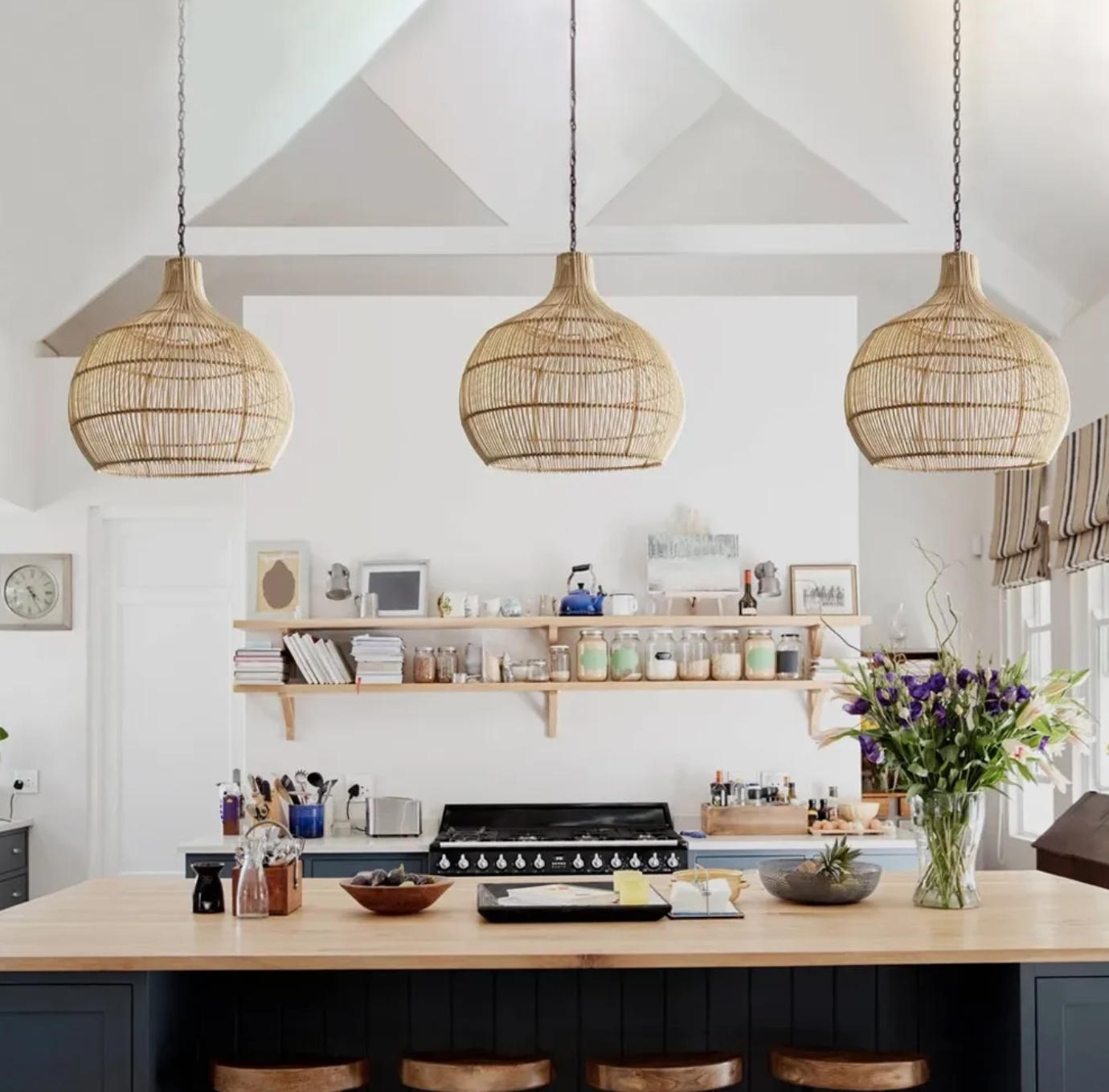
Rattan pendant lights have emerged as one of the most enduring lighting trends of the past decade. Their natural textures, warm tones, and versatile silhouettes have made them a favorite in kitchens, dining spaces, living rooms, and commercial interiors. But as we approach 2026, many homeowners, designers, and builders are asking:
“Are rattan pendant lights still in style in 2026 — or are they fading like a passing trend?”
The short answer is yes — rattan pendant lights are not only still stylish, they’ve evolved. Modern design principles, sustainability priorities, and eclectic interior trends have cemented rattan’s place in contemporary lighting. This guide explores why rattan pendants remain relevant, how they’re being used in 2026 design, and how to choose the best ones for your space.
What Are Rattan Pendant Lights?
Rattan pendant lights are suspended fixtures made from rattan — a natural vine-like material harvested mainly from Southeast Asia. The term “rattan” refers to the woven cane typically used to craft baskets, furniture, and light shades. In lighting, rattan is most often used to:
- Create woven lamp shades
- Build artistic, organic expression pieces
- Filter warm, ambient light through natural weaves
Although rattan lighting may bring to mind classic bohemian or beach styles, it has grown significantly beyond those associations.
For context on rattan material, consult its broad definition and usage on Wikipedia
Why Rattan Pendant Lights Became Popular
Before we talk about 2026, it’s useful to understand why rattan pendants became so popular in the first place:
- Natural Materials & Biophilic Design
Design trends in the early 2020s heavily leaned into biophilia — bringing nature indoors. Rattan’s organic texture and warm tones fit this perfectly.
- Versatility
Rattan lighting can be crafted into minimalist, sculptural, boho, or transitional forms — easily adjustable to different design languages.
- Affordable Aesthetic
Compared to blown glass or metal fixtures, rattan pendants often provide a high-impact look at a more accessible price point.
- Light Diffusion
The weaving pattern of rattan shades casts pleasing light patterns, softening harsh LED illumination for cozy spaces.
2026 Design Trends Supporting Rattan Pendants
Trend 1 — Natural Materials Remain Strong
Design authorities continue to emphasize natural materials in interiors. For example, Elle Decor’s 2025–2026 trend analysis highlighted sustainable, tactile materials like rattan, wood, and stone as staples in modern homes.
Trend 2 — Warm-Minimal Interiors
While ultra-minimal interiors once favored stark whites and metals, many designers moved toward warm minimalism — combining clean lines with soft, organic materials. Rattan pendants fit this ethos perfectly.
Trend 3 — Sustainable & Eco-Friendly Designs
Consumer demand for sustainable décor continues to grow, with natural materials (such as rattan, bamboo, and jute) often preferred over plastics or non-renewables.
Trend 4 — Global Craft & Ethical Sourcing
The appreciation of global handicrafts has increased. Rattan is often hand-woven, giving lighting pieces cultural meaning and artisanal value — factors that align with modern purchase priorities.
Are Rattan Pendant Lights Still In Style in 2026? Here’s Why Yes
1. Continues to Appear in Designer Portfolios
Design professionals still specify rattan pendants in interior projects — especially in:
- Residential kitchens and dining areas
- Living rooms and reading nooks
- Hospitality and boutique interiors
- Mixed materials applications (rattan + metal + wood)
This ongoing usage proves that rattan lighting isn’t a short-lived trend, but a design tool with longevity.
2. Evolved Design Language
The rattan pendant lights of 2026 are not limited to wicker basket aesthetics. Today’s rattan pendants include:
- Sleek, minimalist silhouettes
- Multi-tone woven patterns
- Combined materials (rattan + metal frames)
- Large, sculptural art pieces
- LED-integrated designs
Designers have expanded rattan possibilities beyond the “boho” stereotype.
3. Compatibility With Multiple Interiors
Rattan lighting pairs well with:
- Scandinavian interiors (soft textures + clean lines)
- Modern coastal (air + light + natural warmth)
- Modern farmhouse (earthy materials + layered lighting)
- Transitional spaces that mix old + new
This versatility extends rattan’s relevance well into 2026 and beyond.
Where Rattan Pendant Lights Work Best
- Dining Rooms: A large rattan pendant above a dining table creates warm, inviting light — ideal for meals and gatherings.
- Kitchen Islands: Multiple rattan pendants above an island add texture and soften task lighting.
- Living Rooms: Clustered or oversized rattan pendants make a natural focal point without overpowering the space.
- Entryways & Foyers: Sculptural rattan pieces introduce tactile interest at the first impression.
- Hospitality & Retail: Many boutique hotels and cafés choose rattan lighting for relaxed, elevated interiors.
Sizing Your Rattan Pendant Lights Correctly (Quick Guide)
Just like other pendants, size matters. A common guideline for pendant width is:
Pendant diameter ≈ 1/2 to 2/3 of the width of the table beneath it
Example:
- Table width: 36″ ⇒ Pendant: 18–24″ diameter
Height above surface:
- 30–36″ above table for standard ceilings
- Add ~3″ for each foot above 8′ ceilings
These rules align with broader chandelier and pendant sizing guidance used by designers.
Living With Rattan Lighting: Practical Tips
- Combine With Other Materials
Pair rattan with metal accents (black iron, brushed brass) or wood for balanced contrast.
- Mind the Scale
Oversized rattan pieces can work beautifully in tall, open spaces — but may overwhelm small rooms.
- Choose LED-Friendly Designs
Many modern rattan pendants are designed to accommodate LED bulbs and integrated LED modules for efficiency and longevity.
- Consider Layered Lighting
Use rattan pendants with other sources (wall sconces, floor lamps) to avoid shadows and enhance functionality.
Sustainability & Material Considerations
Rattan is a rapidly renewable material — often harvested faster than hardwood trees grow. According to global woodworking and material science resources, rattan grows quickly and is prized for both flexibility and strength.
(See general environmental context on materials like bamboo & rattan on Britannica.)
This sustainability angle gives rattan lighting an edge over plastics and synthetic fixtures, particularly for eco-conscious homeowners.
Common Myths About Rattan Pendant Lights
❌ “Rattan is only for boho décor.”
Truth: Modern rattan lighting has evolved into sleek, minimal, and transitional forms suited for diverse interiors.
❌ “Rattan won’t last long.”
Truth: With proper care (avoid moisture, wipe dust regularly), rattan lighting can last many years — especially when paired with quality fixtures and hardware.
❌ “Rattan only works in casual spaces.”
Truth: Elegant rattan designs paired with metal or glass can elevate formal interiors while maintaining contemporary warmth.
What the Experts Are Saying
Interior designers and trend analysts continue to highlight natural materials as a key element of contemporary design.
For example, design publications regularly point to woven textures and organic elements as timeless interior features, not just seasonal trends.
While specific quotes vary, sources such as Houzz, Architectural Digest, and Elle Decor frequently feature rattan in trend forecasts and curated décor showcases.
2026 Forecast: Rattan Pendant Lights & Beyond
Looking ahead, several factors keep rattan lighting in style:
Trend 1 — Natural, Warm Interiors Remain Popular
The move toward biophilic design and comfort-centered spaces shows no sign of slowing.
Trend 2 — Hybrid Materials
Combining rattan with metal, glass, or high-tech diffusers creates fixtures that feel both organic and modern.
Trend 3 — Sustainable and Ethical Sourcing
Consumers increasingly care about where materials come from — and rattan’s natural renewability gives it an advantage.
Trend 4 — Customization and Artistic Design
Lighting pieces that feel crafted (not mass-produced) align with 2026 interior priorities focused on personality and longevity.
Conclusion: Are Rattan Pendant Lights Still In Style in 2026?
Yes — rattan pendant lights are still very much in style in 2026. They’ve moved beyond a boho or trend phase into a design category with:
✔ Long-lasting material appeal
✔ Cross-style adaptability (modern, coastal, transitional, minimal)
✔ Sustainability and natural texture
✔ Design evolution into sculptural and hybrid fixtures
Whether you’re decorating a modern kitchen, an open living area, a cozy bedroom nook, or a boutique commercial space, rattan pendant lights continue to offer a stylish, warm, and organic lighting solution in 2026 interiors.
Leave a Reply